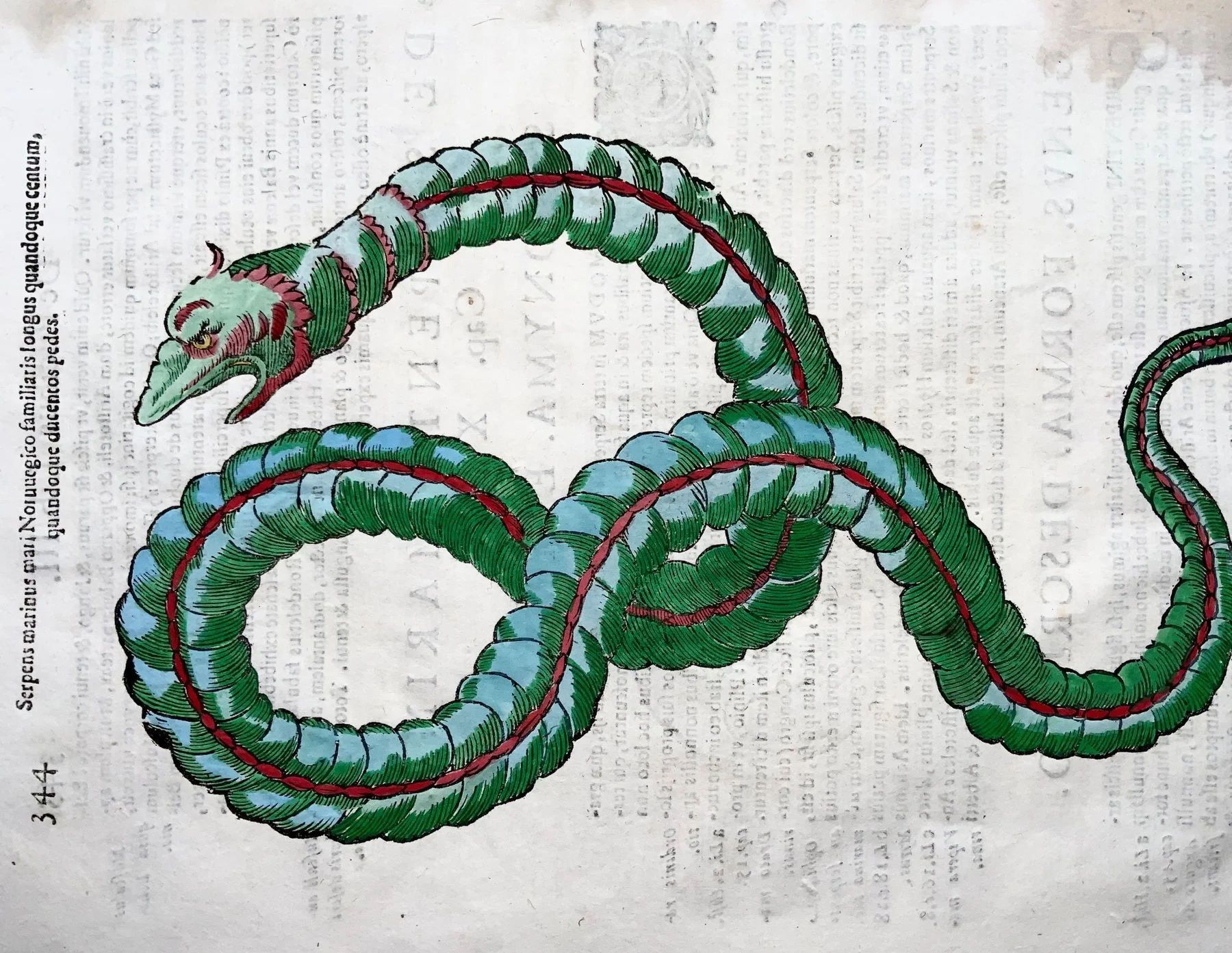
The Sea Monsters of the Renaissance Naturalists: When Science and Terror Shared the Same Page
The Norwegian Sea terrified sailors for good reason. In the sixteenth century, experienced fishermen working the cold waters between Norway and Iceland reported a serpent large enough to raise its coils above a ship's mast. Olaus Magnus, the Swedish archbishop and scholar who recorded their testimony, believed them completely. So did Aldrovandi, who commissioned Cristoforo Coriolano to engrave the creature for his encyclopaedia of fish. The print they made together is still one of the most extraordinary images in the history of natural history publishing.
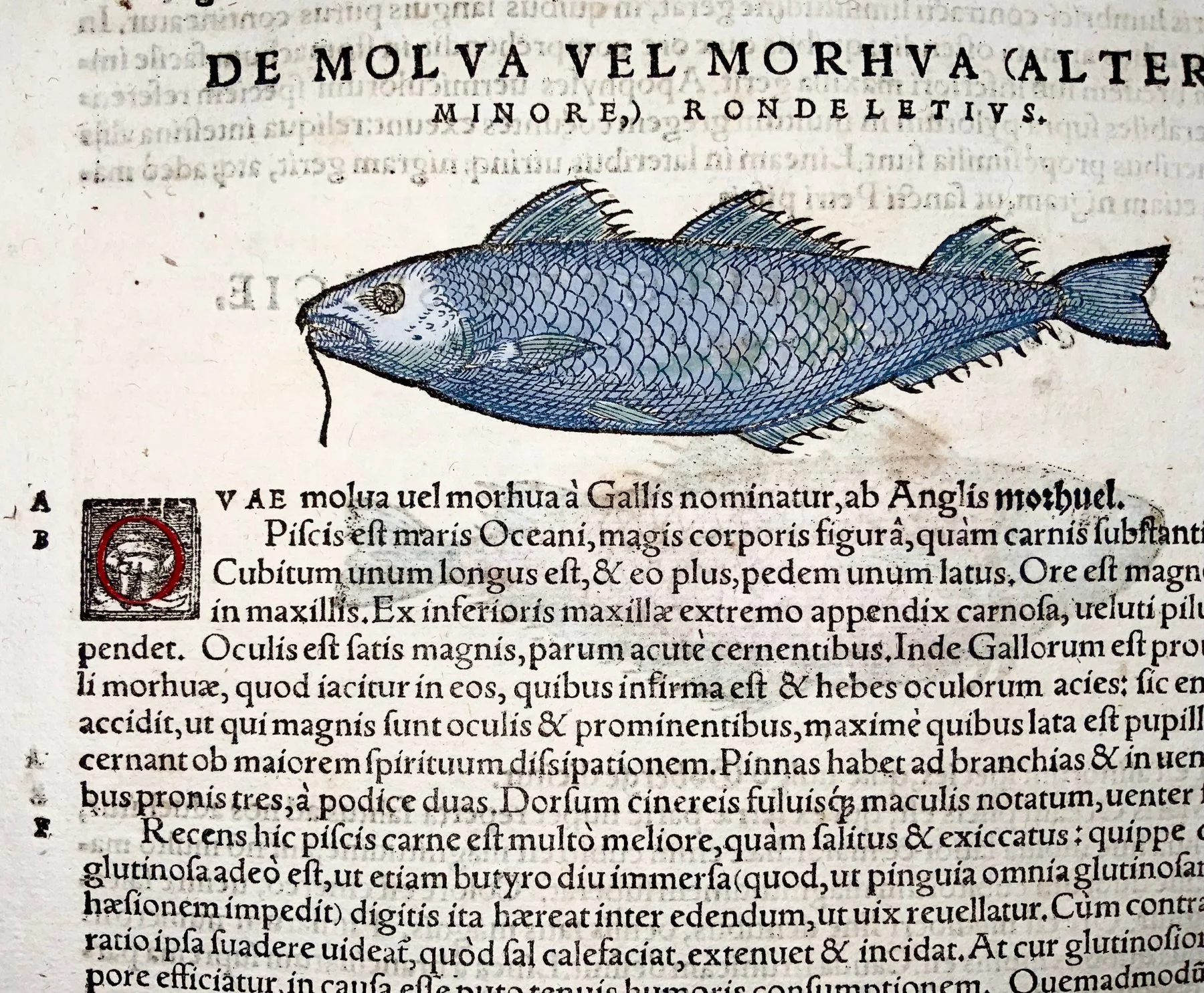
How to Catalog Rare Books and Prints: The Complete Guide to Tracking and Valuing Your Collection
A professional collector's guide to cataloging rare prints, covering identification, condition grading, provenance tracking, and valuation — with free printable templates included.
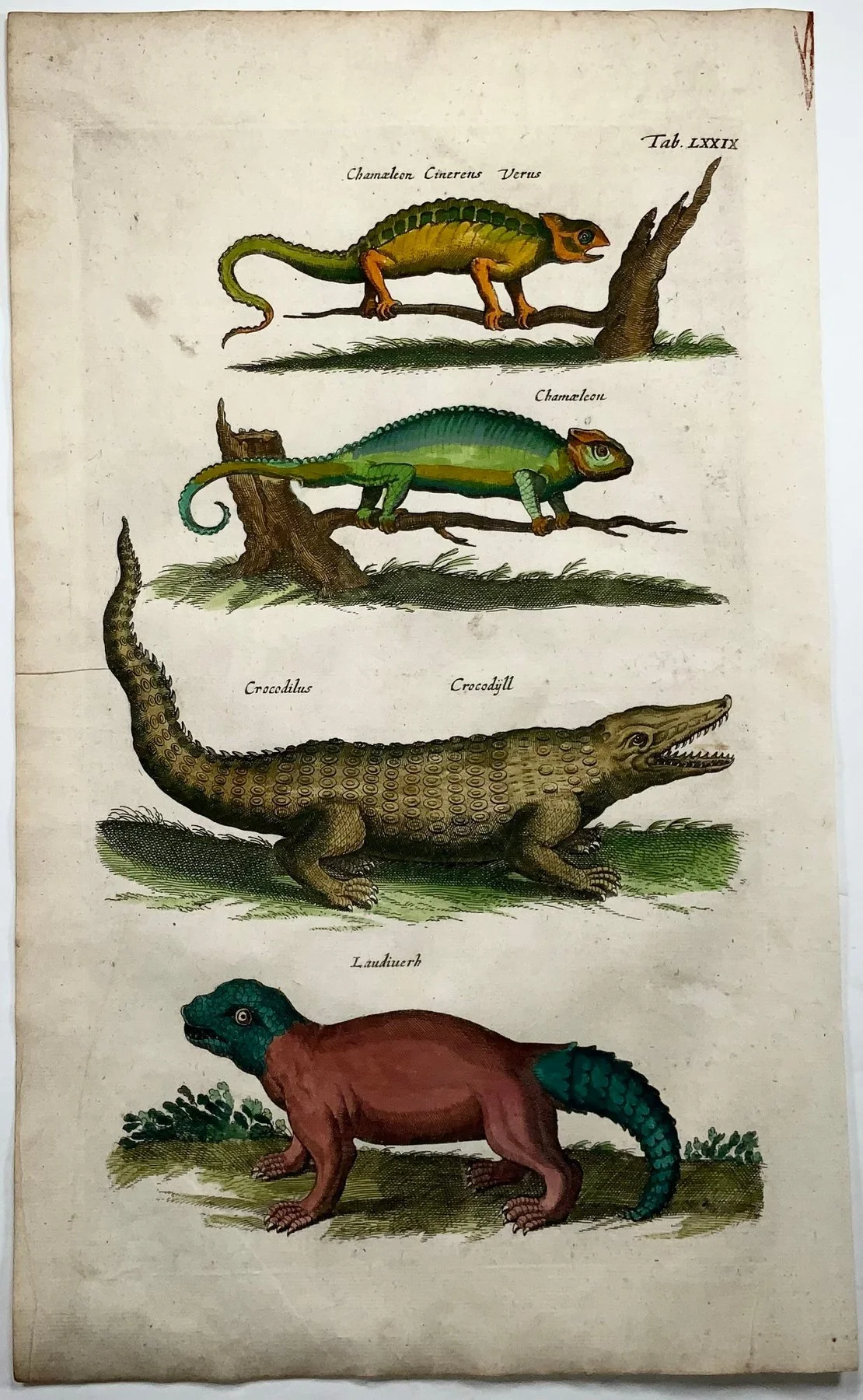
Matthäus Merian Natural History Prints 17th Century Hand Colored Engravings Explained
A detailed guide to Matthäus Merian’s 17th century natural history engravings, explaining copperplate printing, hand coloring techniques, historical importance, authenticity markers, and why original impressions remain highly collectible today.
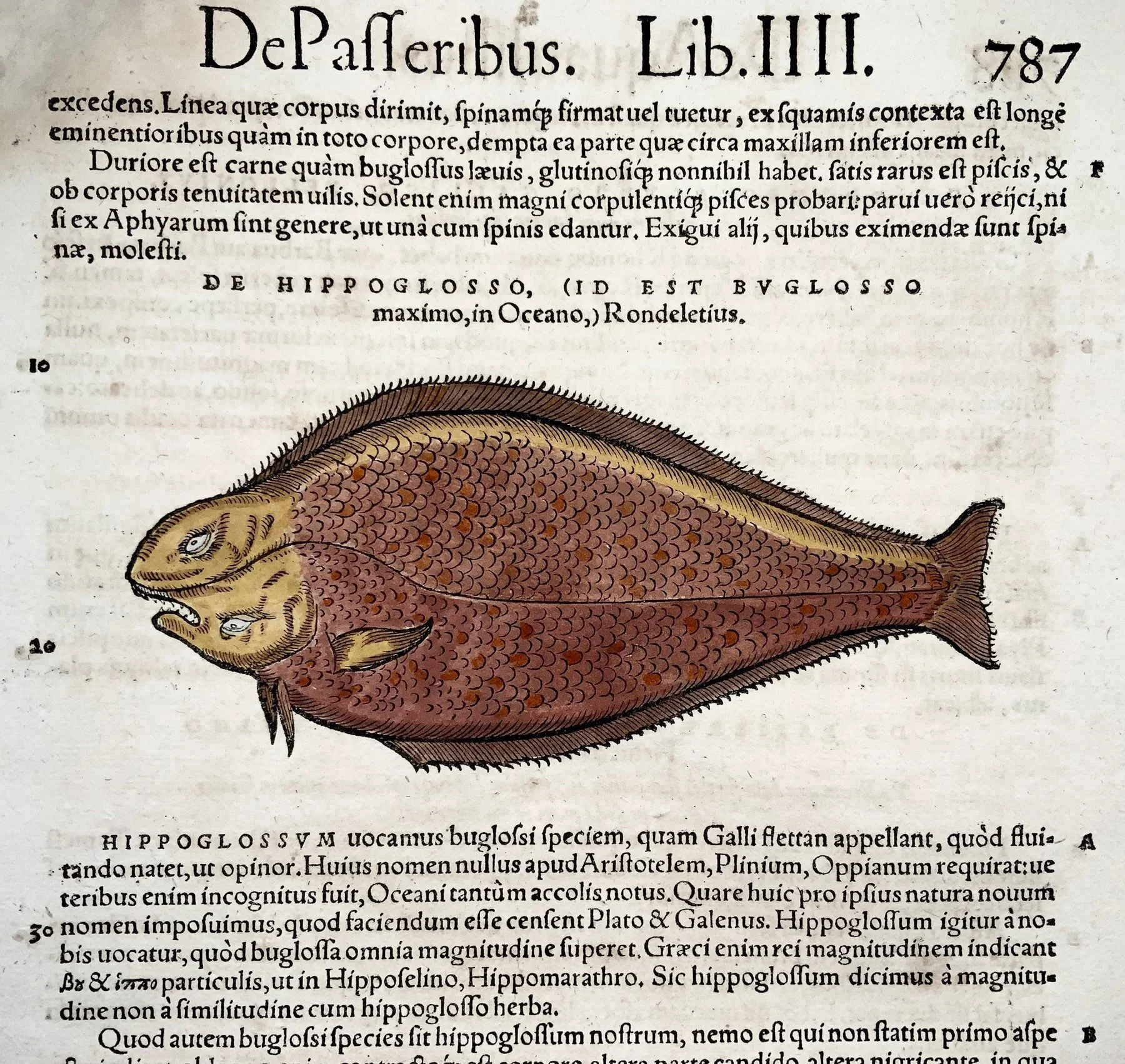
How to Tell If an Antique Print Is Authentic and Not a Reproduction
This guide explains how to identify authentic antique prints and avoid modern reproductions. It covers paper types, plate marks, printing methods, hand coloring, signs of age, and seller transparency. Written for new collectors, it offers practical advice to help buyers evaluate antique prints confidently and make informed decisions when collecting historical artwork.
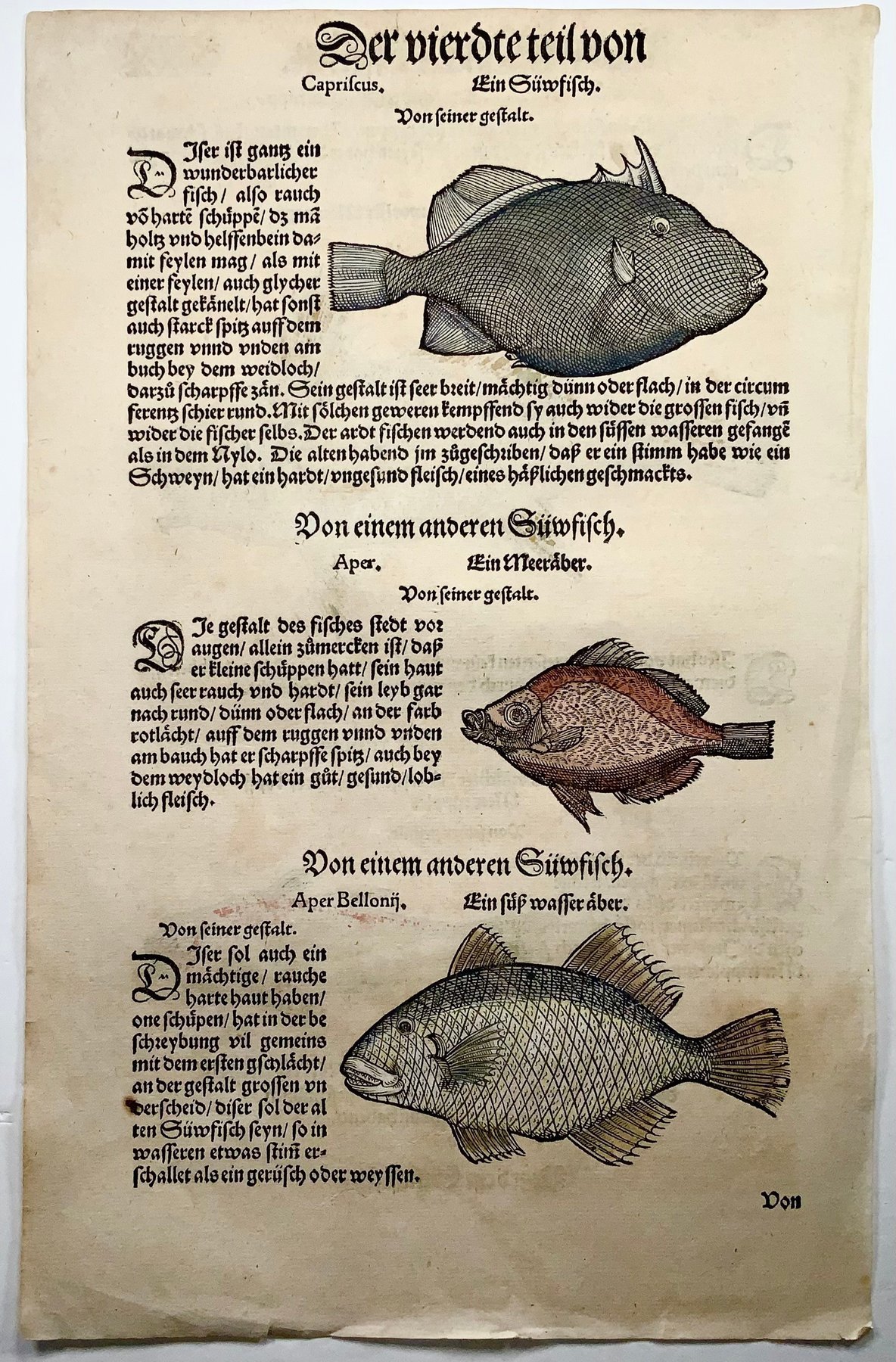
How to Start Collecting Antique Prints and Old Books
Starting a collection of antique prints and old books begins with learning how to look. This guide explores how early works on paper were made, used, and preserved, and how collectors can approach them with confidence, curiosity, and care.
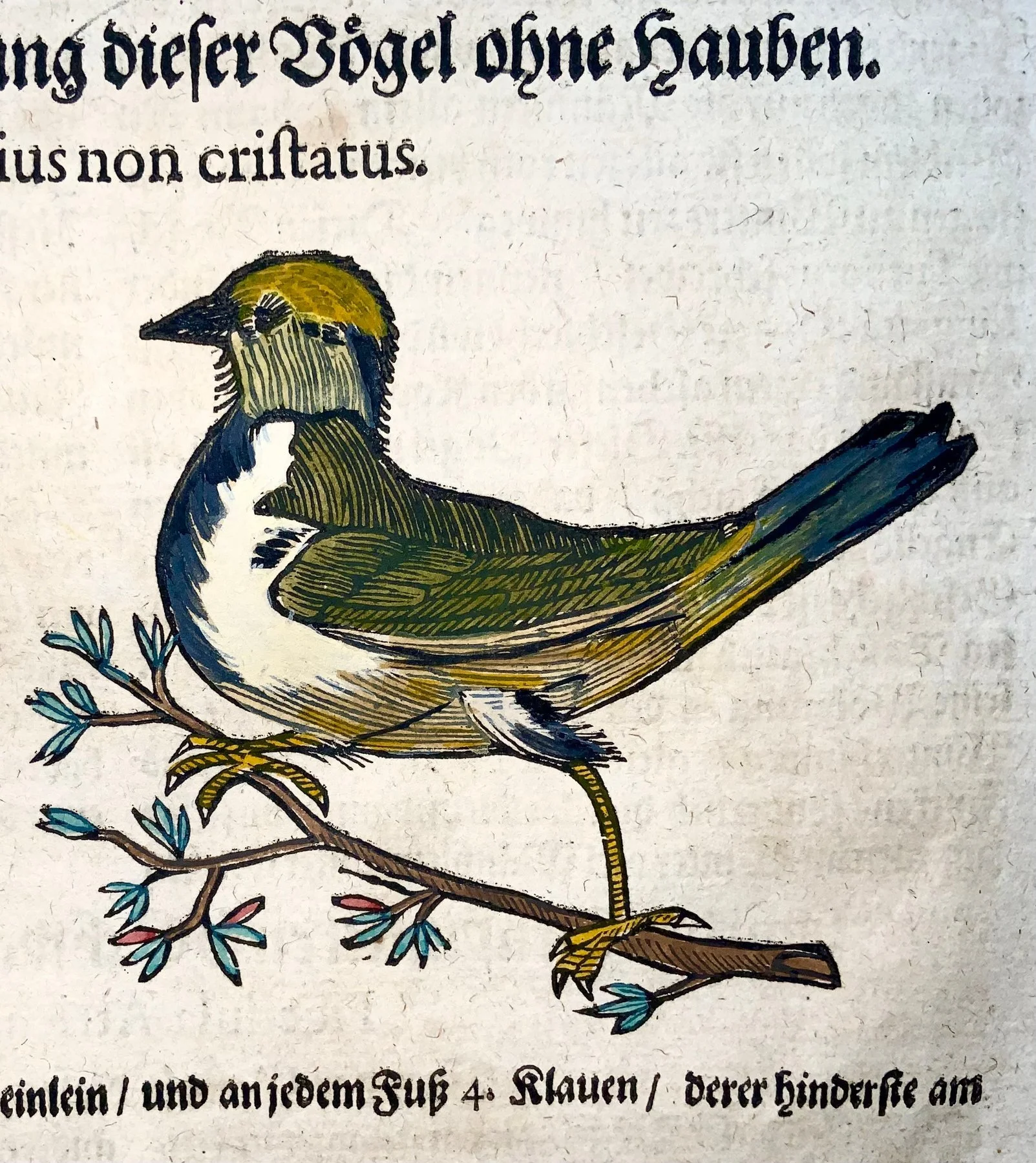
Why Antique Prints Cost What They Cost
Antique prints are priced based on rarity, condition, craftsmanship, historical significance, and survival. This essay explains how early modern prints were made, why so few remain in collectible condition, and what collectors are truly purchasing when they invest in original Renaissance and Baroque works on paper.
Rare Books, Living Languages, and a Lifetime of Study
A rare-book specialist with a background in comparative literature, international teaching, and multilingual research offers bespoke services in rare-book sourcing, foreign-language reading, collection development, and dealer negotiation.
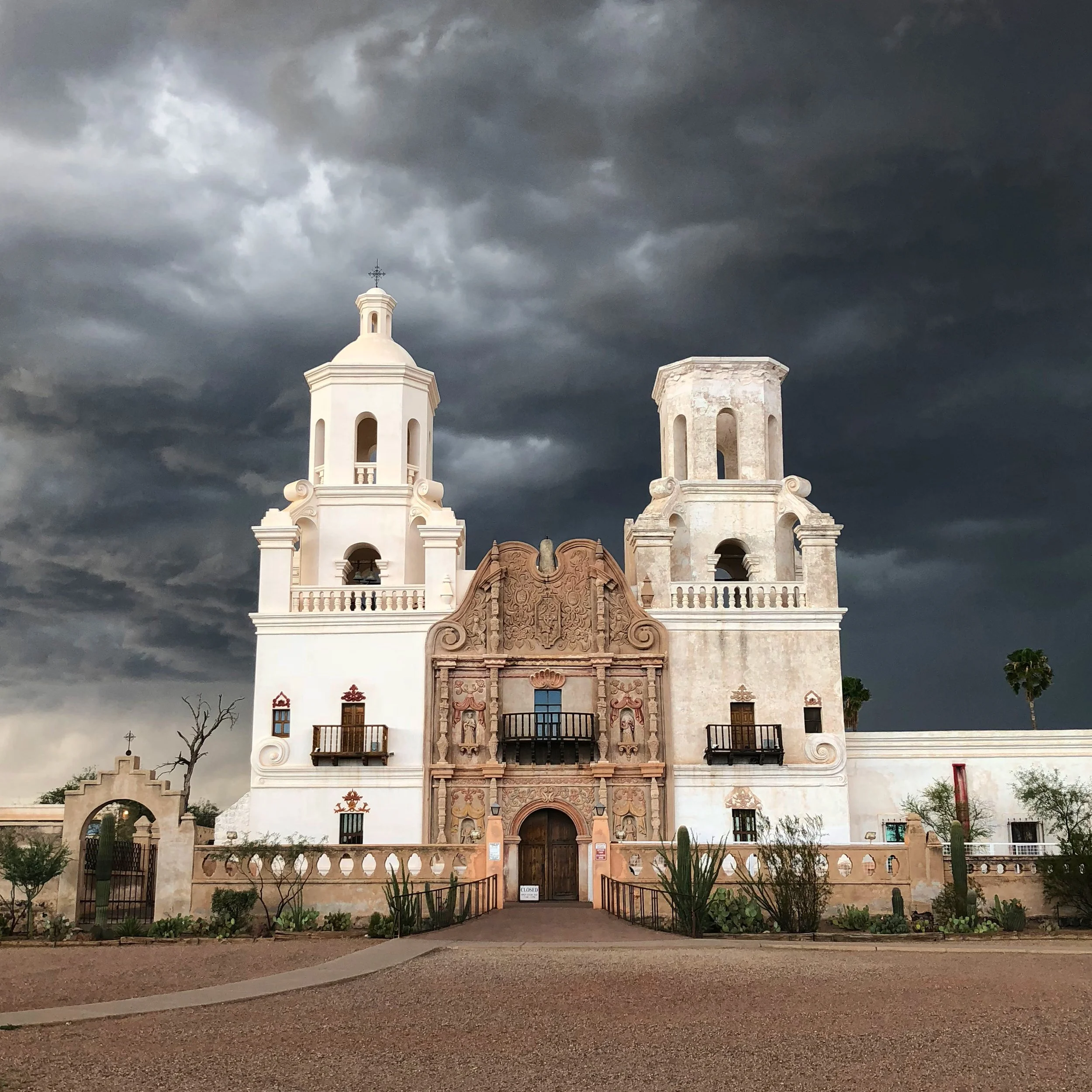
Baroque in the Sonoran Desert: Tucson, San Xavier del Bac, and a Hidden European Legacy
Baroque art didn’t stop in Europe. In Tucson, it took root in adobe, wood, paint, and desert light. From the sculpted drama of San Xavier del Bac to the quiet geometry of the Old Barrio, the Sonoran Desert preserves a living Baroque legacy shaped by Father Kino, Indigenous artisans, and the power of printed images. That same tradition lives on today through original Baroque prints you can still own.
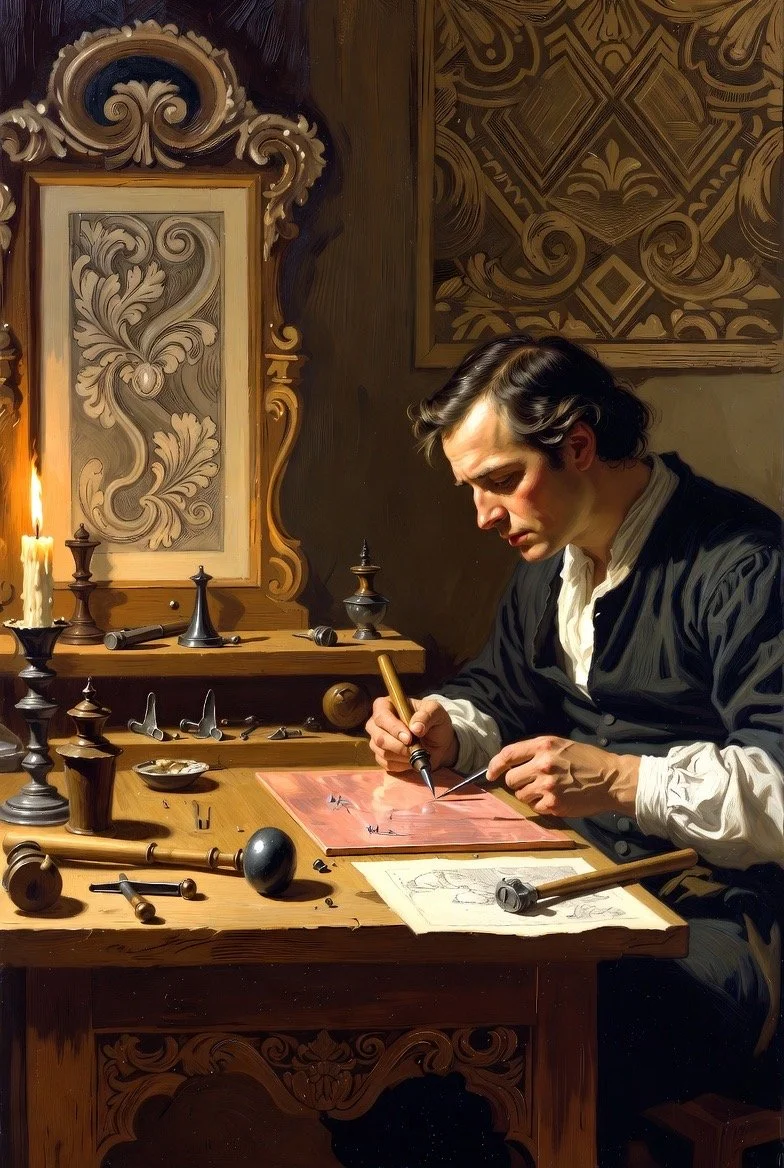
How Printing Was Done During the Baroque Period: From Copper Plates to Sacred Art
Before photography and mass reproduction, knowledge was carved into metal by hand. During the Baroque period, engravers transformed copper plates into vessels of faith, science, and power, pressing inked lines into paper with immense force and precision. Each print carried not only an image, but the labor, devotion, and worldview of an entire age.
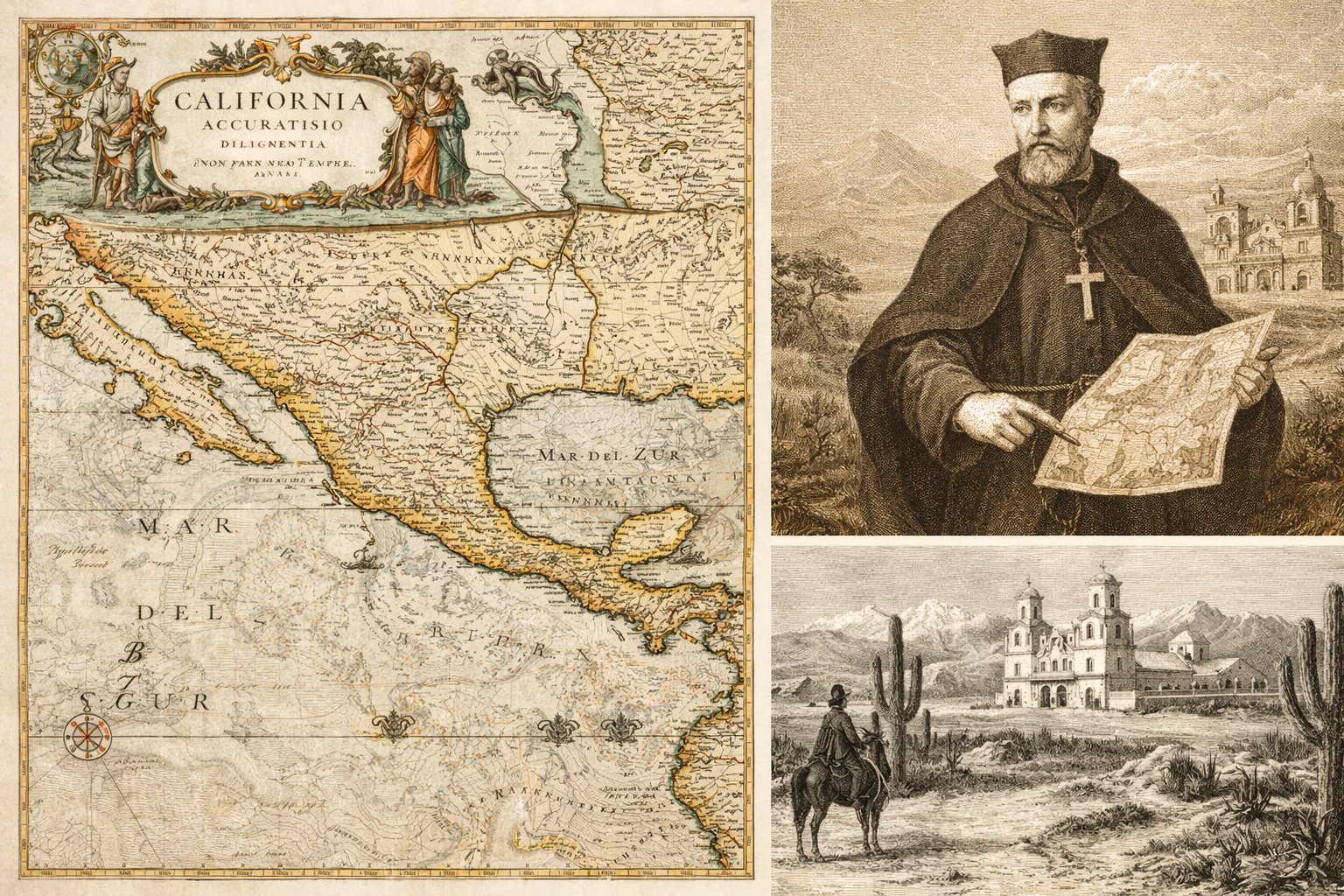
How Printmaking Shaped Cartography — and How Father Kino Proved California Was Not an Island
Printmaking gave early maps their authority — and also preserved their mistakes. In the Sonoran Desert, Jesuit missionary Father Kino used observation and printed maps to prove that California was not an island, correcting one of the most enduring myths in early modern cartography and reshaping how Europe understood the Americas.
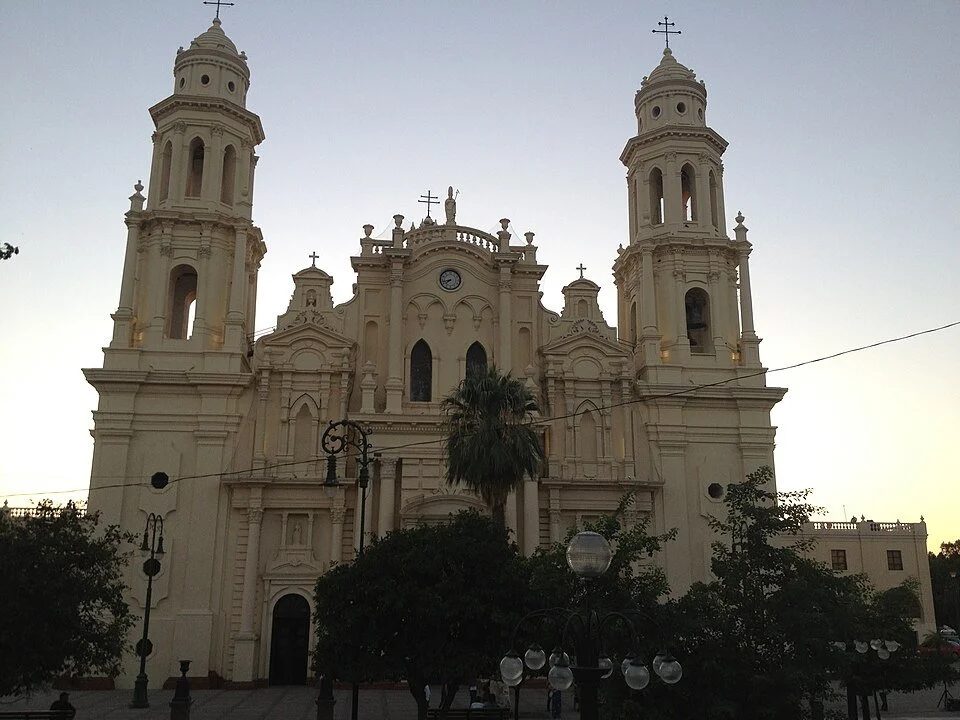
Baroque Influence in Mexico and Sonora: How the Sonoran Desert Became a Baroque Landscape
Explore the Baroque legacy of Father Eusebio Kino in the Sonoran Desert, where Spanish colonial missions transformed Arizona and Sonora through architecture, education, and faith. From Tucson to Magdalena de Kino, these Baroque missions reflect the meeting of European art, Indigenous cultures, and desert landscapes, shaping one of the most distinctive religious and artistic traditions in North America.

Experiencing the Renaissance and Baroque in Tucson, Arizona
Tucson, Arizona offers a rare opportunity to experience Renaissance and Baroque culture in an unexpected setting. From Spanish colonial architecture and Baroque music to original European prints now available locally, the Sonoran Desert provides a living context for Old World art, devotion, and scientific curiosity.
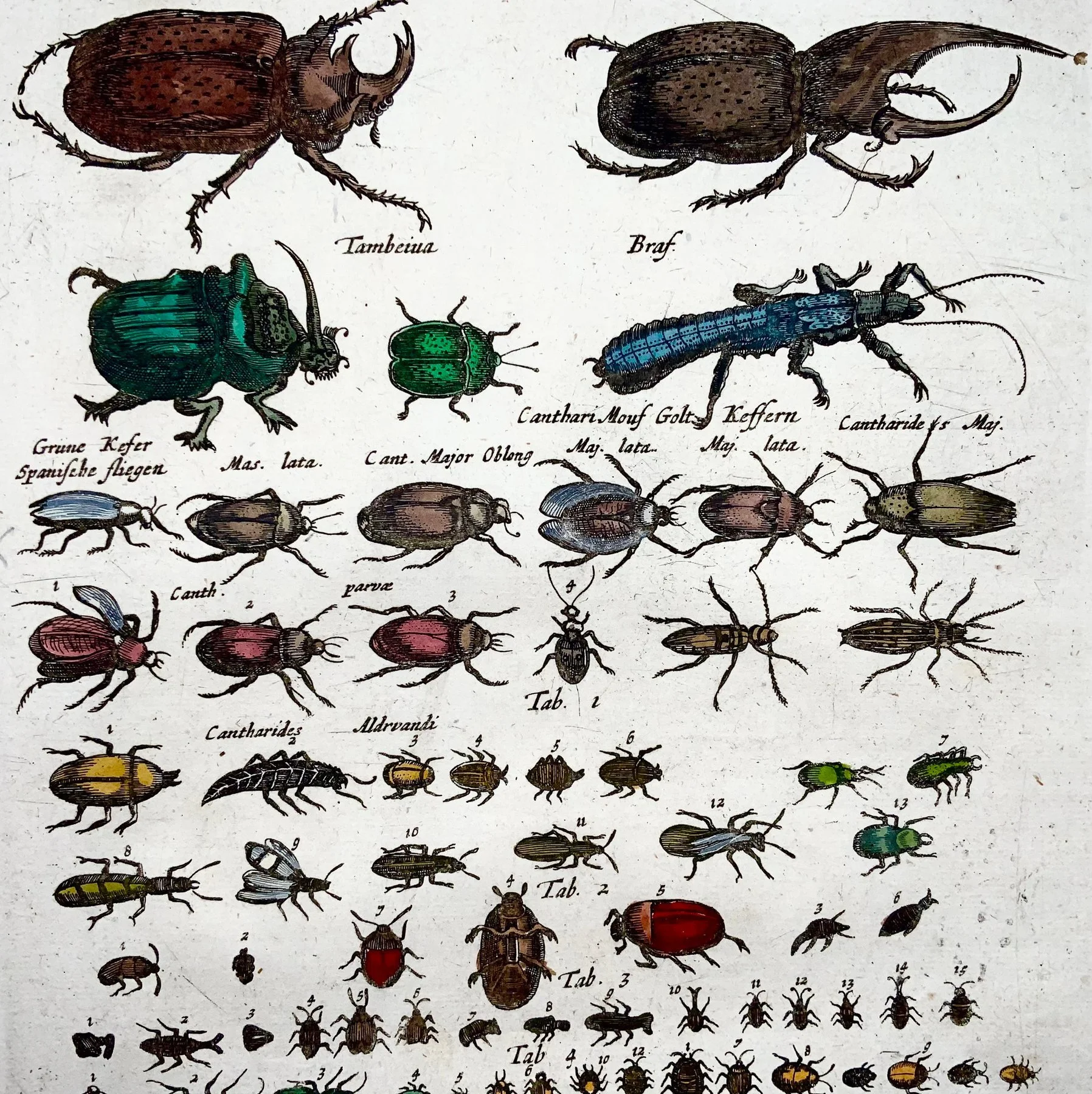
Matthäus Merian the Elder: The Master Engraver Who Gave Shape to the Early Modern World
Matthäus Merian the Elder was one of the most influential engravers of the seventeenth century, shaping how Europe visualized nature, cities, and knowledge itself. His hand colored engravings remain astonishingly vivid centuries later, offering collectors a rare intersection of art, science, and early modern intellectual history.
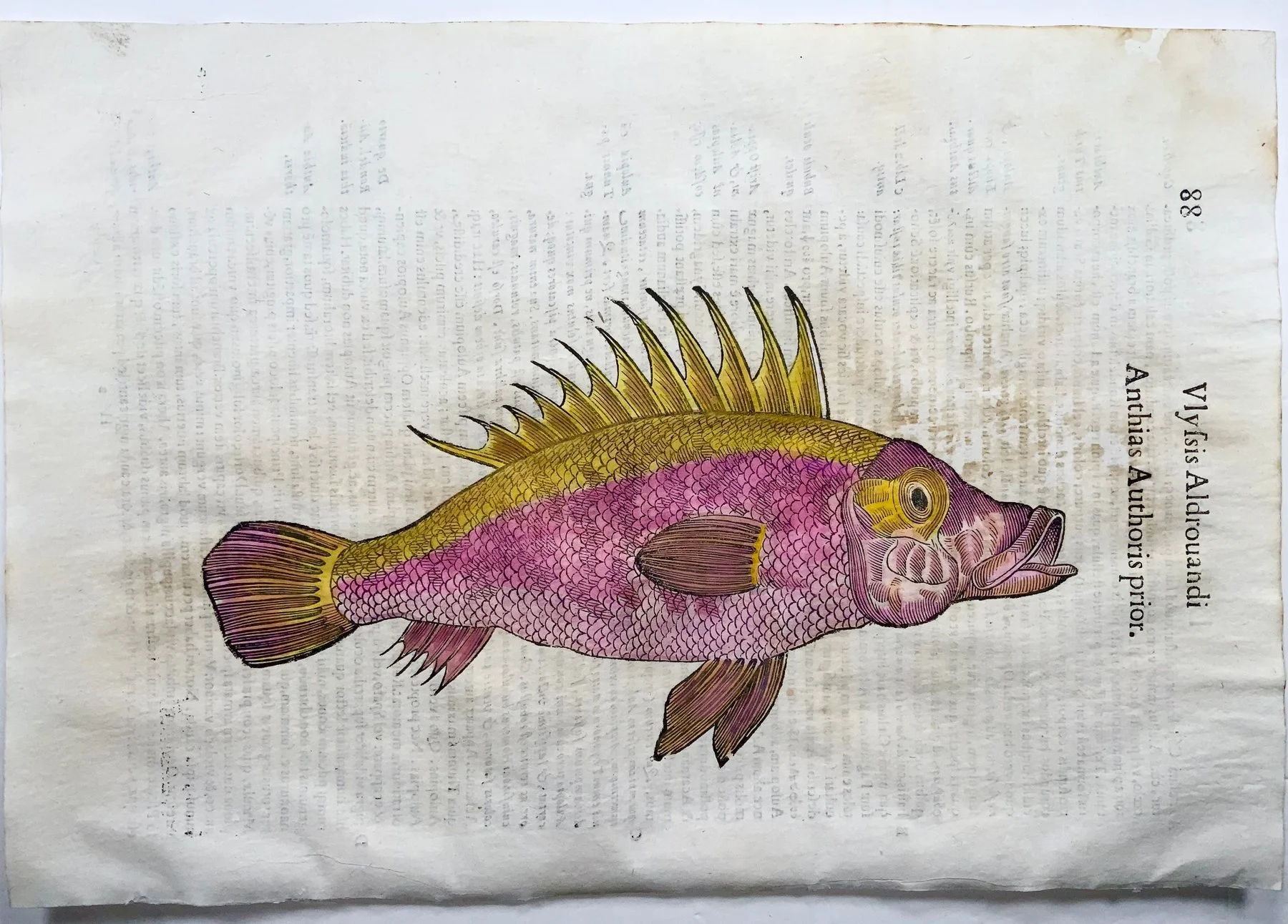
Ulisse Aldrovandi and Cristoforo Coriolano: The Architects of Early Modern Natural History
Ulisse Aldrovandi and Cristoforo Coriolano reshaped how Europe saw the natural world. Their monumental zoological prints combined intellectual ambition with engraving mastery, producing images of animals and marine life that remain vivid, authoritative, and astonishing more than four centuries later.
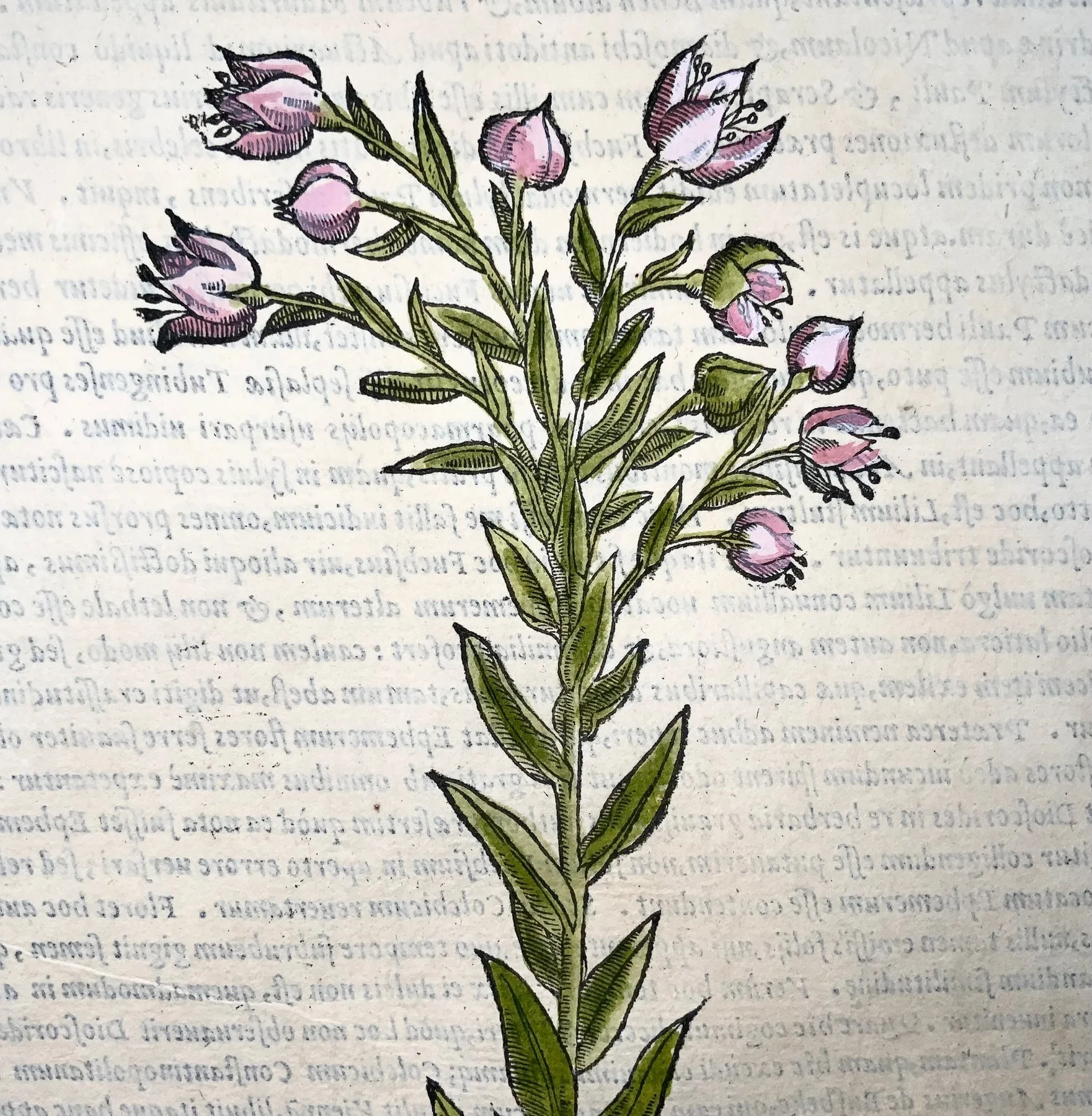
Giorgio Liberale and the Birth of Botanical Illustration as High Art
Giorgio Liberale’s botanical woodcuts for Mattioli’s Herbarz are among the finest scientific illustrations of the Renaissance. Created for the imperial court in Prague, these hand colored prints combine botanical precision with visual elegance, shaping how Europe learned to see and classify the natural world.
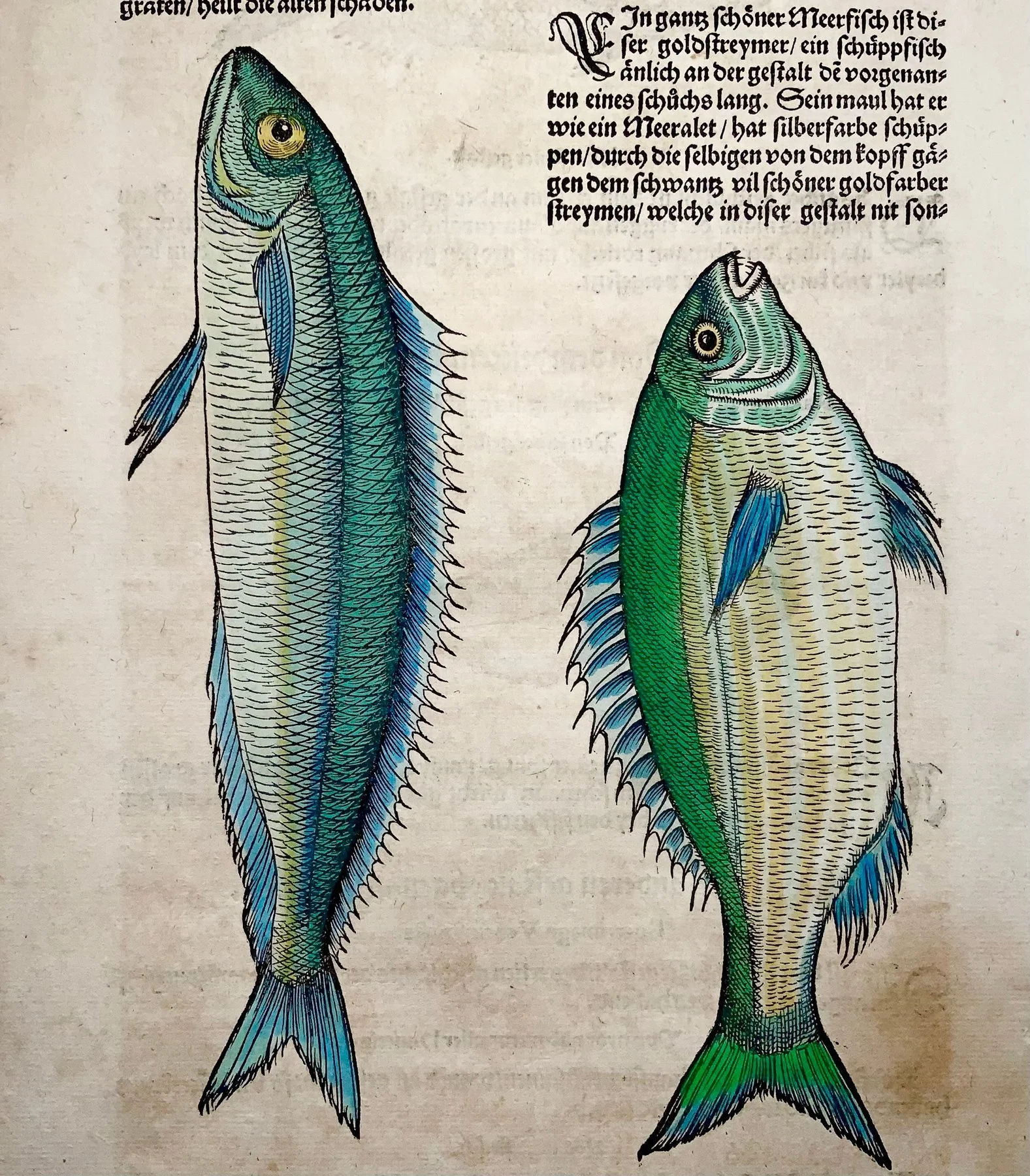
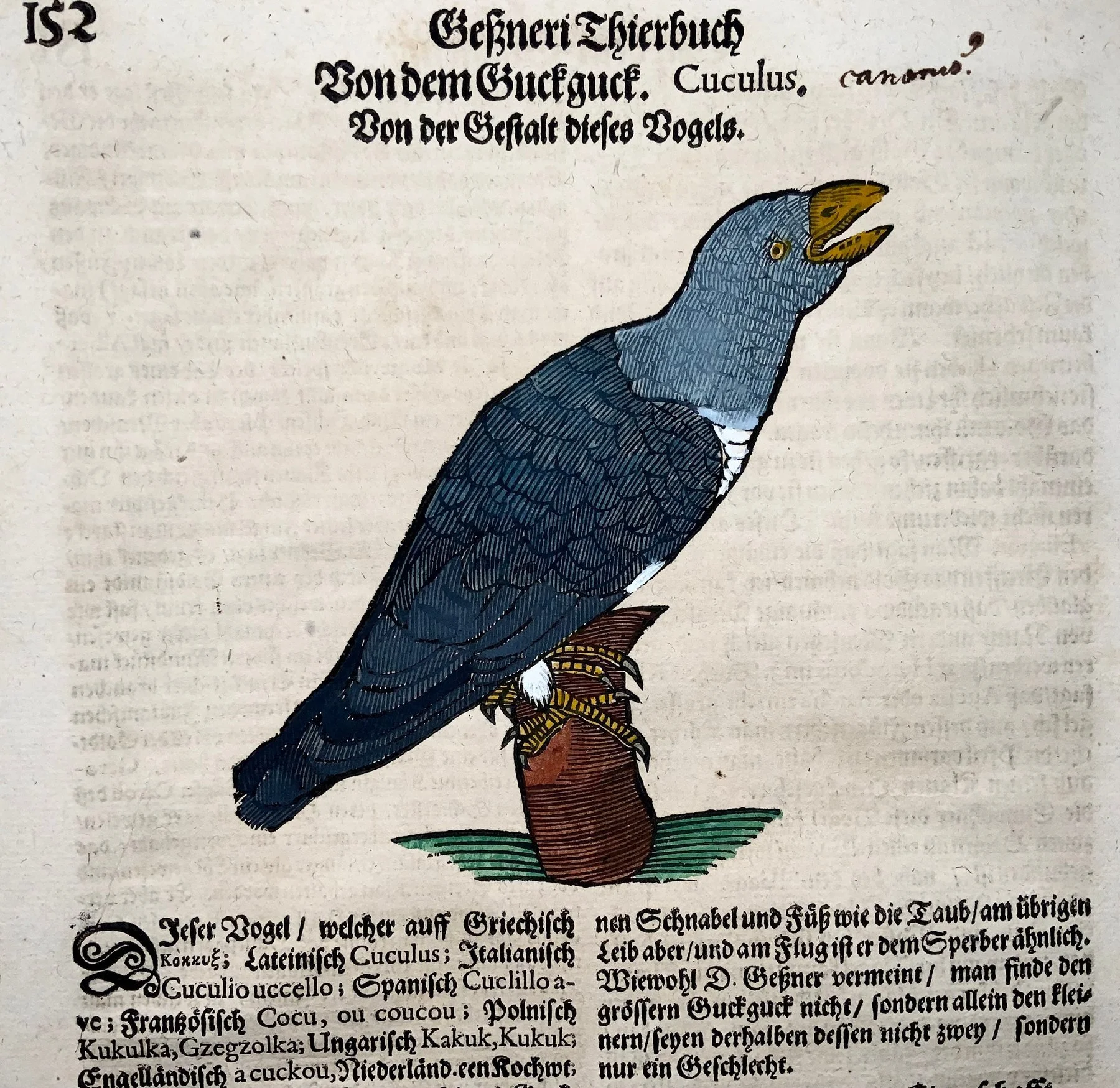
Conrad Gesner and the Birth of Modern Natural History
Conrad Gesner was the founder of modern zoology, and his illustrated natural history books transformed how Europe first learned to observe and classify animals. His Renaissance woodcut prints remain powerful documents of early scientific thought, combining scholarly rigor with enduring visual clarity.