Baroque Influence in Mexico and Sonora: How the Sonoran Desert Became a Baroque Landscape
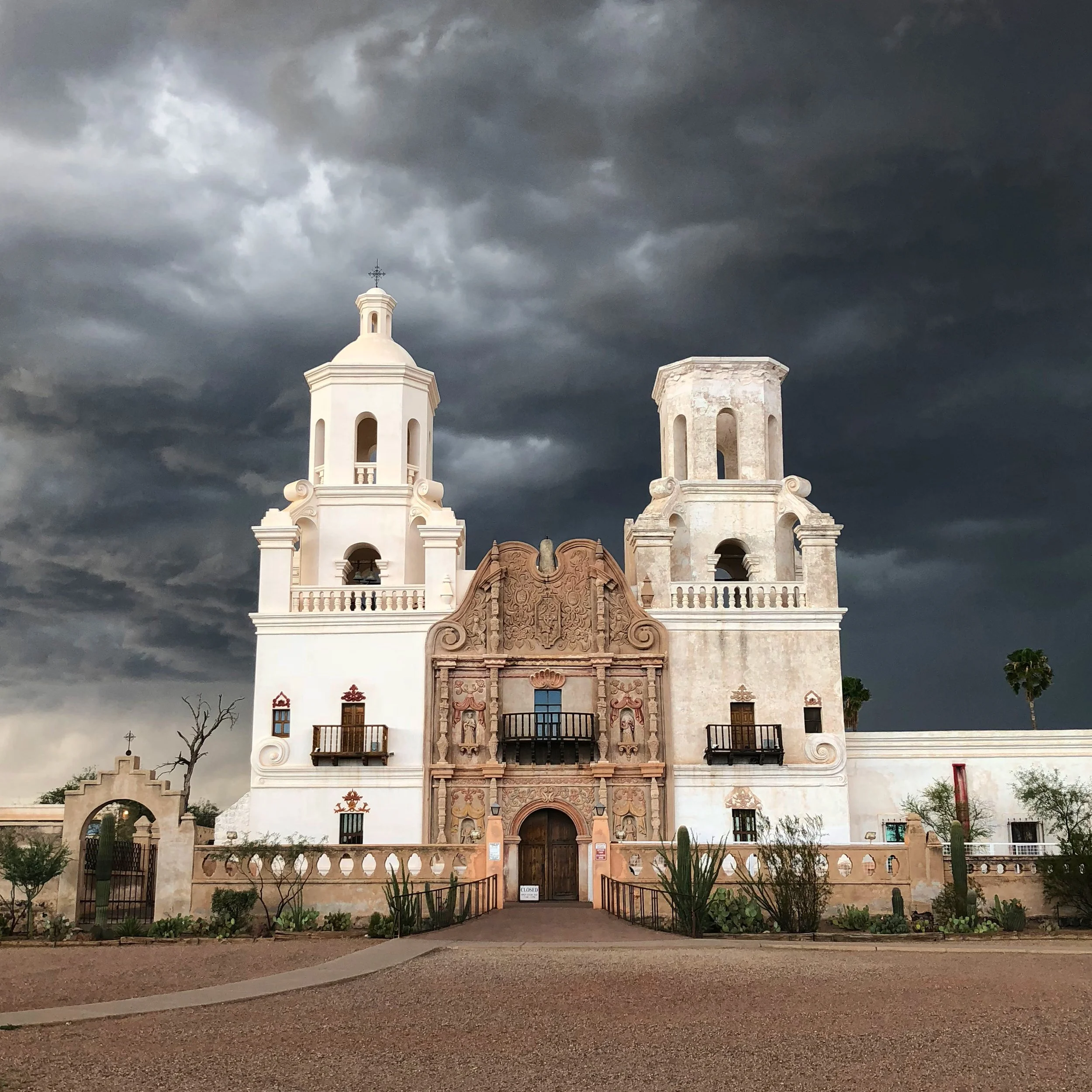
The Baroque did not stop at Europe’s borders. Through Spain’s imperial and missionary networks, Baroque architecture, art, and religious expression traveled across the Atlantic and took root in Mexico and the Sonoran Desert, creating one of the most distinctive regional interpretations of the style anywhere in the world.
Today, southern Arizona and northern Mexico preserve a living Baroque legacy. In places like Tucson, Tumacácori, and across Sonora, Baroque design was adapted to desert climate, Indigenous labor, and local materials, producing buildings that are simultaneously European and profoundly American.
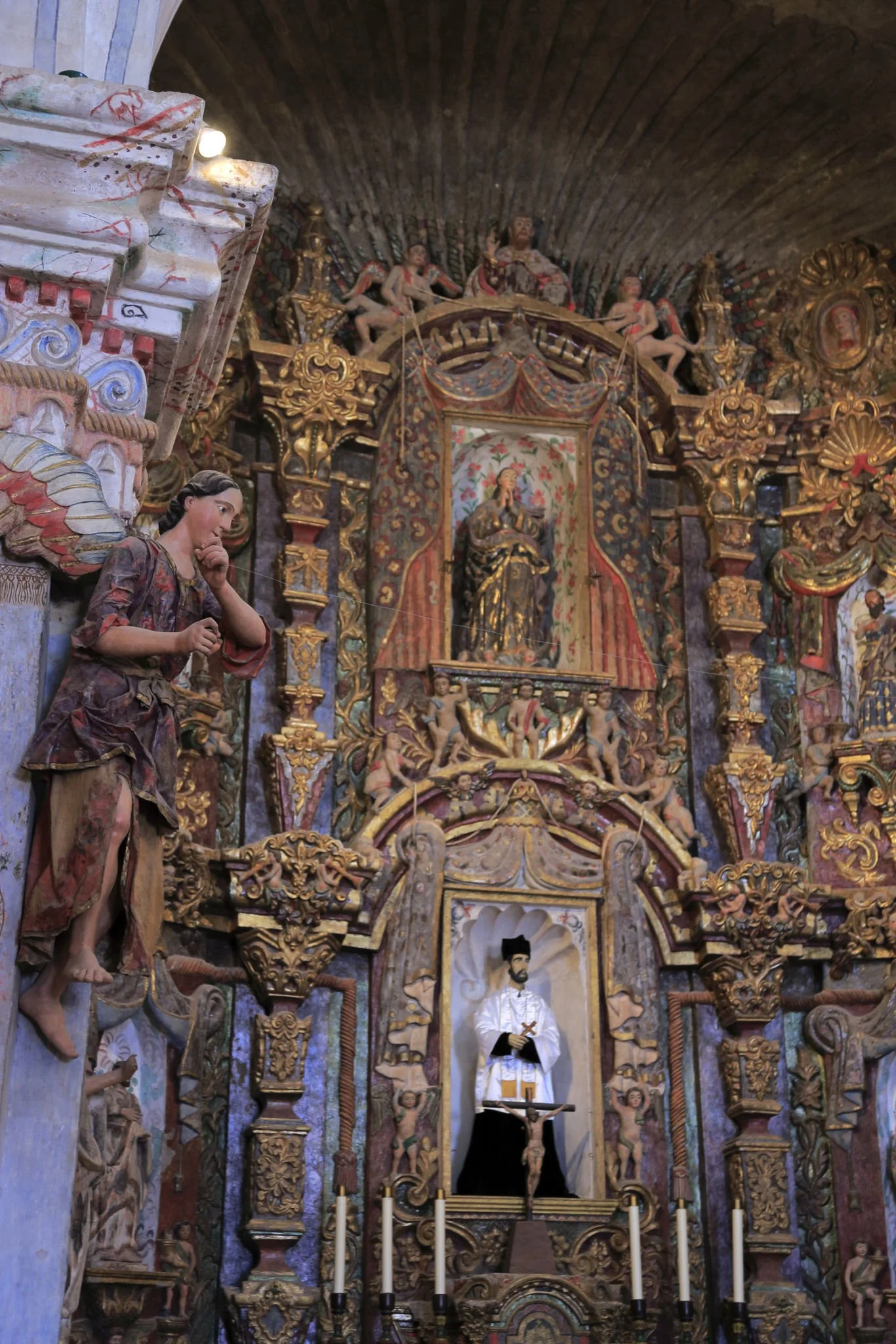
Baroque Mexico and the Northern Frontier
In central Mexico, the Baroque reached extraordinary levels of ornamentation during the seventeenth and eighteenth centuries, especially in ecclesiastical architecture. As missionaries moved northward into Sonora and the Pimería Alta, they carried this visual language with them.
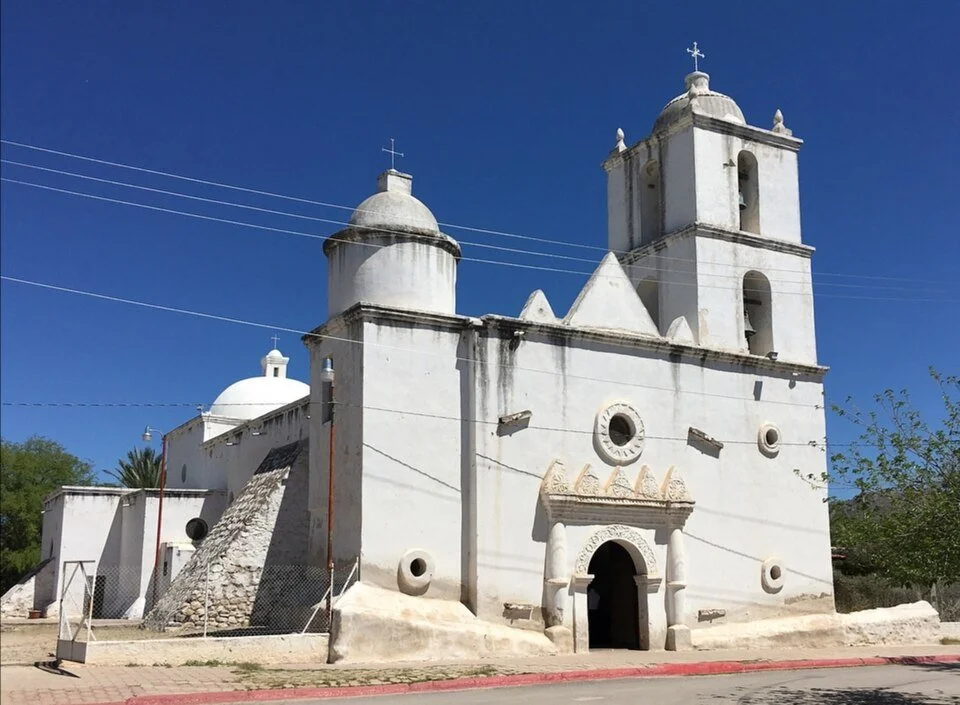
Unlike the densely populated cities of central Mexico, the Sonoran frontier required restraint and adaptation. Thick adobe walls replaced stone. Ornament became sculptural rather than excessive. Light, shadow, and proportion took precedence over surface decoration. The result was a Sonoran Baroque that emphasized clarity, mass, and spiritual presence within an austere desert environment.
This tradition directly shaped the architectural and cultural landscape of modern Arizona.
Baroque Architecture in Arizona and the Sonoran Desert
Southern Arizona is home to some of the most important Baroque and Baroque-inspired buildings in the United States. These sites are not replicas. They are original expressions of Baroque design built for the desert, shaped by Indigenous craftsmen, and infused with local materials and cosmologies.
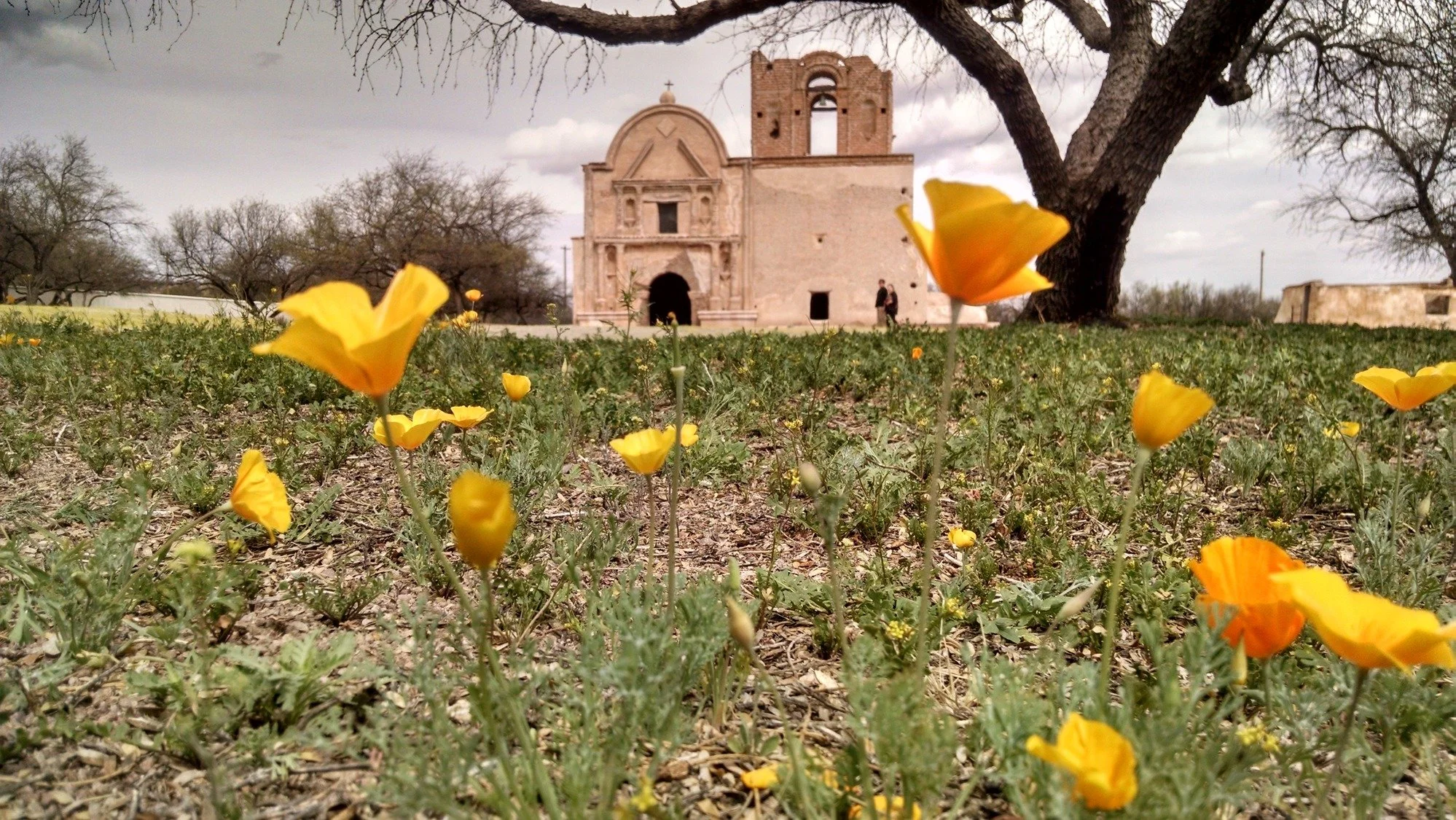
Below are the Top Ten Baroque and Baroque-Inspired Churches and Buildings in the Sonoran Desert, spanning Arizona and Sonora.
Top Five Baroque and Baroque-Inspired Sites in the Sonoran Desert

1. Mission San Xavier del Bac – Tucson, Arizona
Often called the White Dove of the Desert, San Xavier is the finest example of Baroque architecture in the United States. Its sculptural façade, twin towers, and dramatic interior embody late Spanish colonial Baroque adapted perfectly to the Sonoran environment.
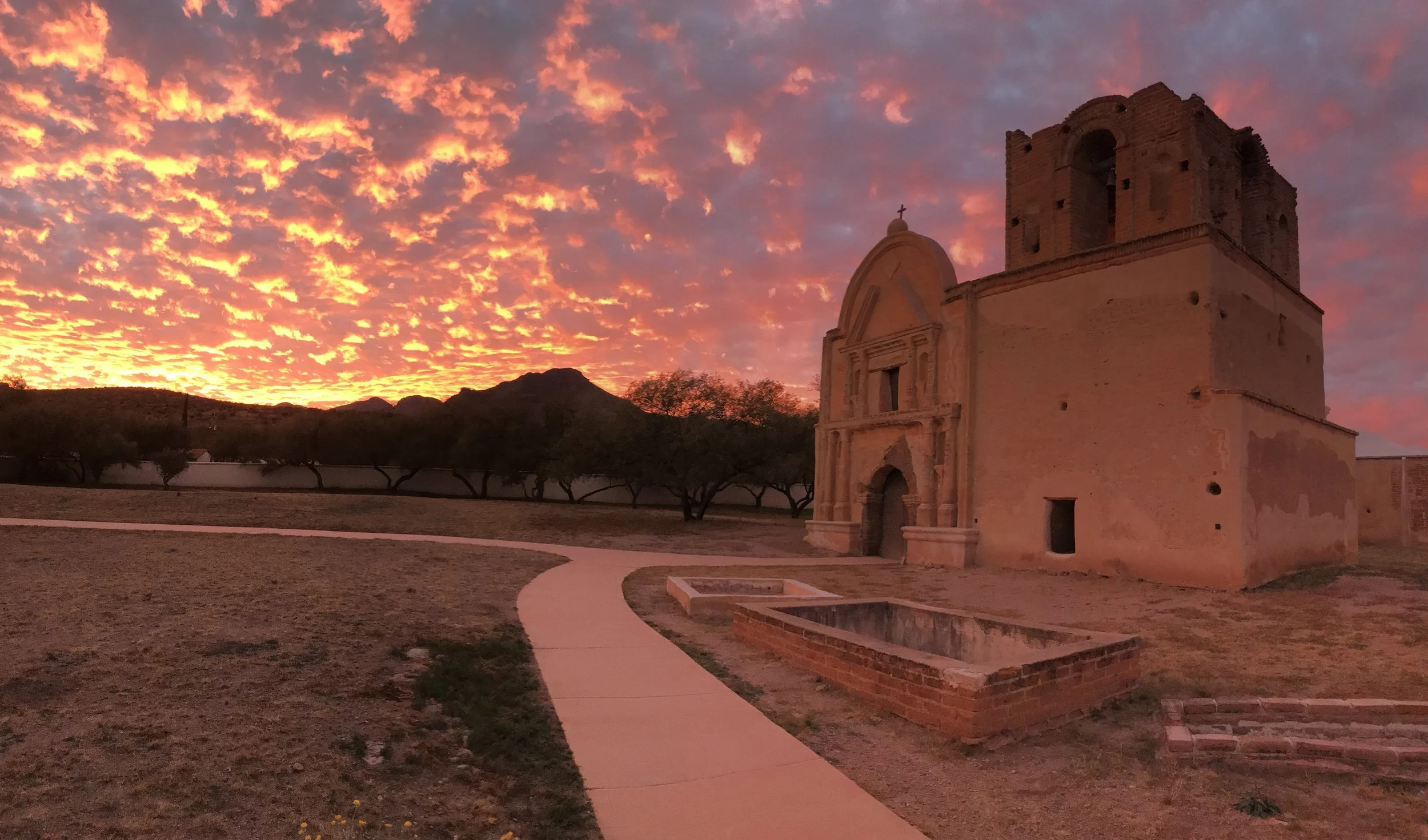
2. Mission San José de Tumacácori – Tumacácori, Arizona
A haunting and powerful Baroque ruin, Tumacácori preserves the massing, proportions, and devotional focus of Sonoran Baroque even in partial collapse. Its presence alone communicates Baroque spirituality through form and scale.
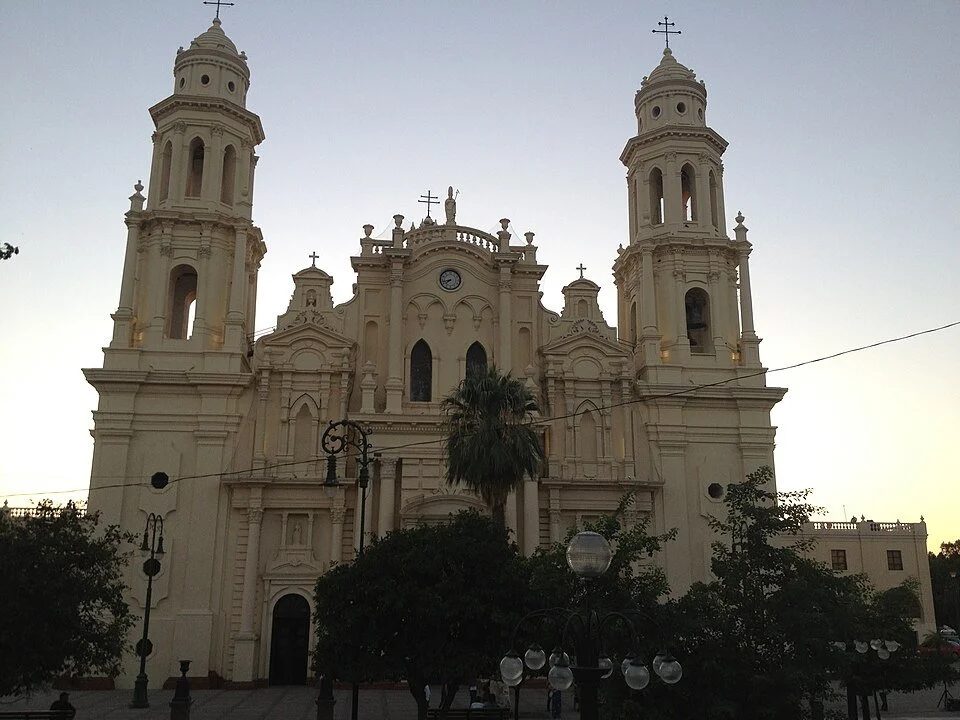
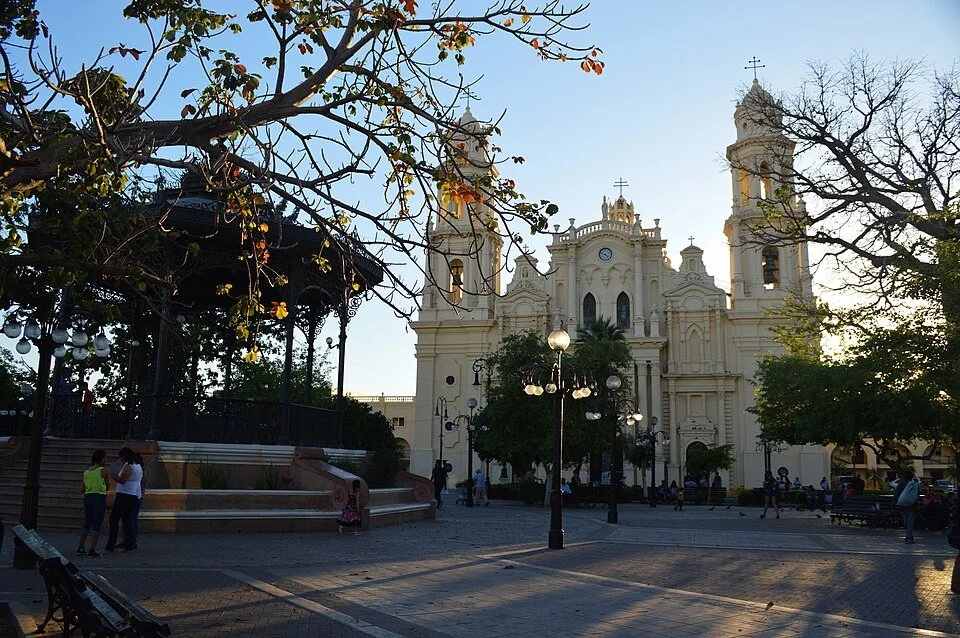
3. Catedral Metropolitana de Hermosillo – Hermosillo, Sonora
While later in construction, this cathedral reflects the enduring influence of Baroque design in Sonora, particularly in its emphasis on verticality, symmetry, and ceremonial space.
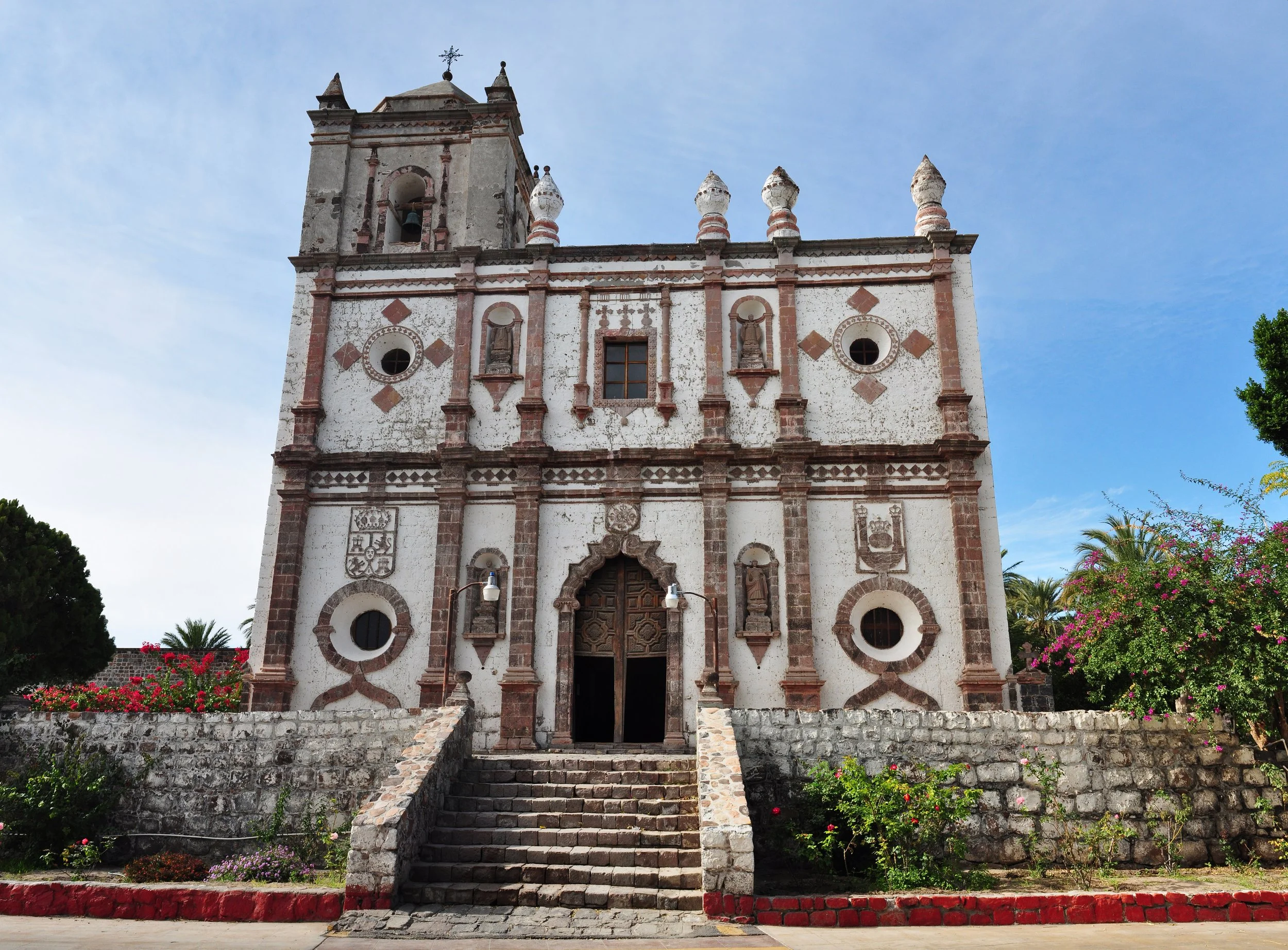
4. Mission San Ignacio Kadakaamán – San Ignacio, Baja California
Founded by Jesuit missionaries, this mission preserves classic Sonoran Baroque proportions with restrained ornamentation and thick masonry adapted to desert conditions.
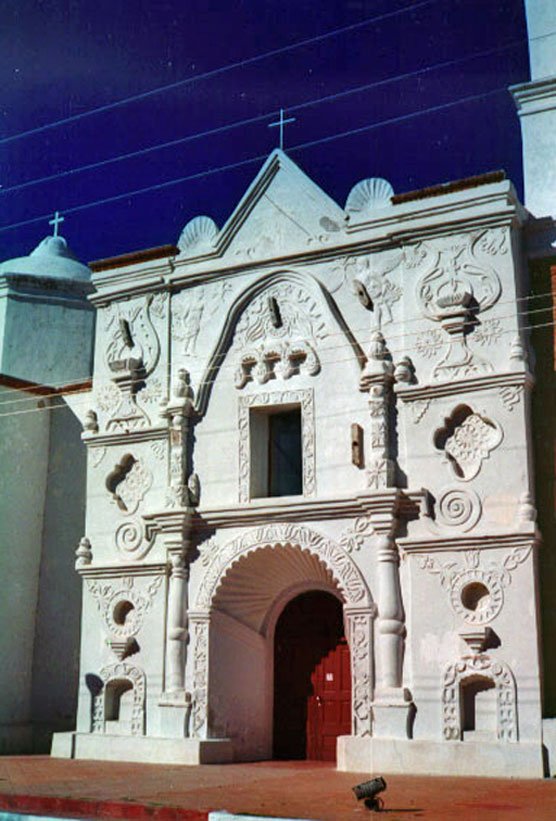
5. Mission San Pedro y San Pablo de Tubutama – Tubutama, Sonora
An important Sonoran Baroque site associated with Jesuit missionary networks and early architectural experimentation in the region.
Tucson as a Baroque Experience Today
What makes Tucson, Arizona unique is not that it preserves Baroque architecture as a museum piece, but that Baroque influence remains part of daily life. The mission churches are active. Baroque music is performed by orchestras and early music ensembles. The desert light that once shaped mission design continues to animate these spaces.
To experience Baroque culture in Tucson is to move between architecture, sound, landscape, and material history.
Completing the Experience with Authentic Baroque Prints
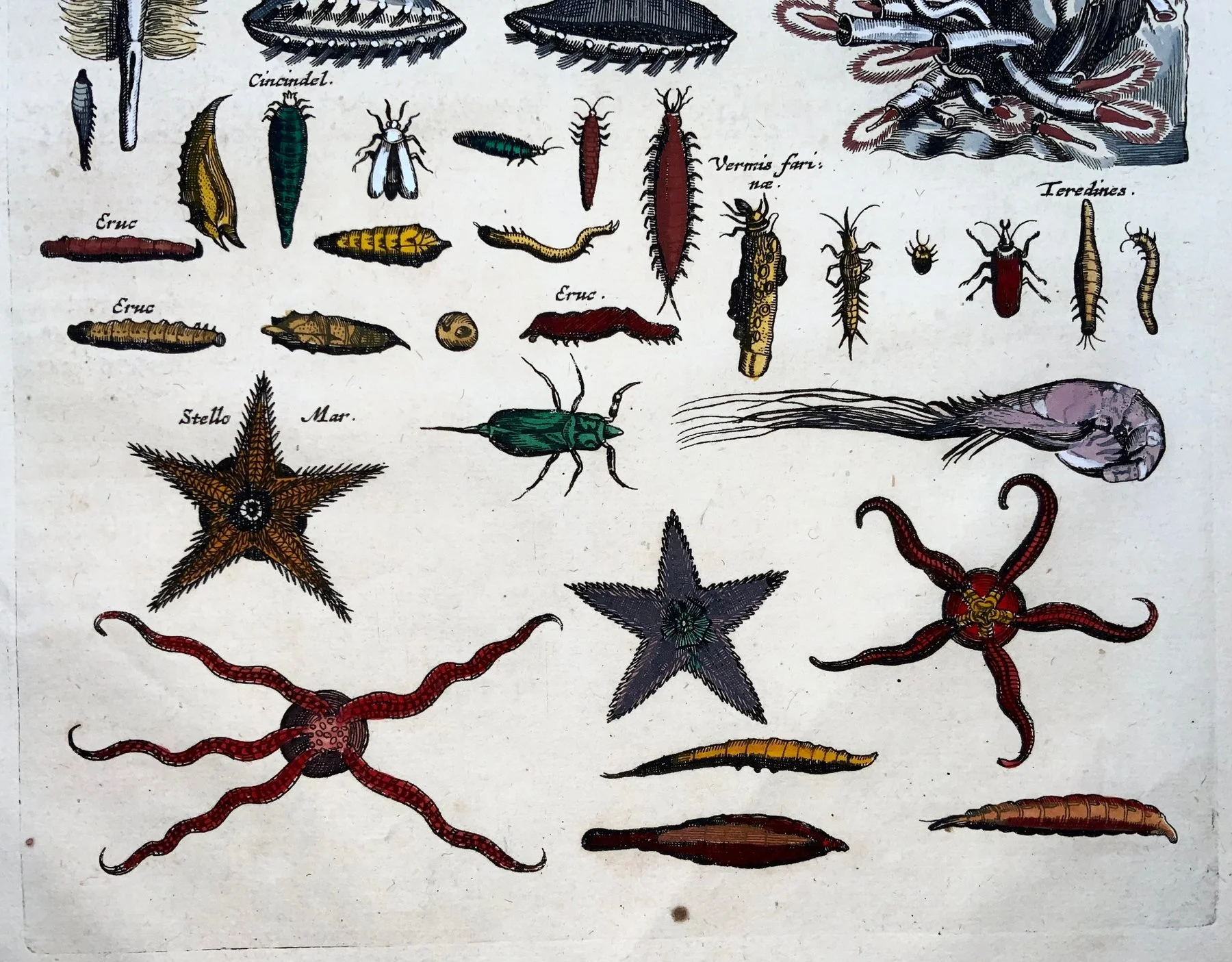
Beyond architecture and music, the Baroque can be experienced through original European prints created during the same period. Seventeenth-century engravings, scientific illustrations, and natural history plates by figures such as Matthäus Merian, Conrad Gesner, and Ulisse Aldrovandi reflect the same intellectual and spiritual impulses that shaped Sonoran Baroque architecture.
These are not decorative reproductions. They are authentic artifacts of the Baroque world, printed by hand and surviving centuries of history. Viewed in the Sonoran Desert, they create a rare continuity between Europe, Mexico, and Arizona.
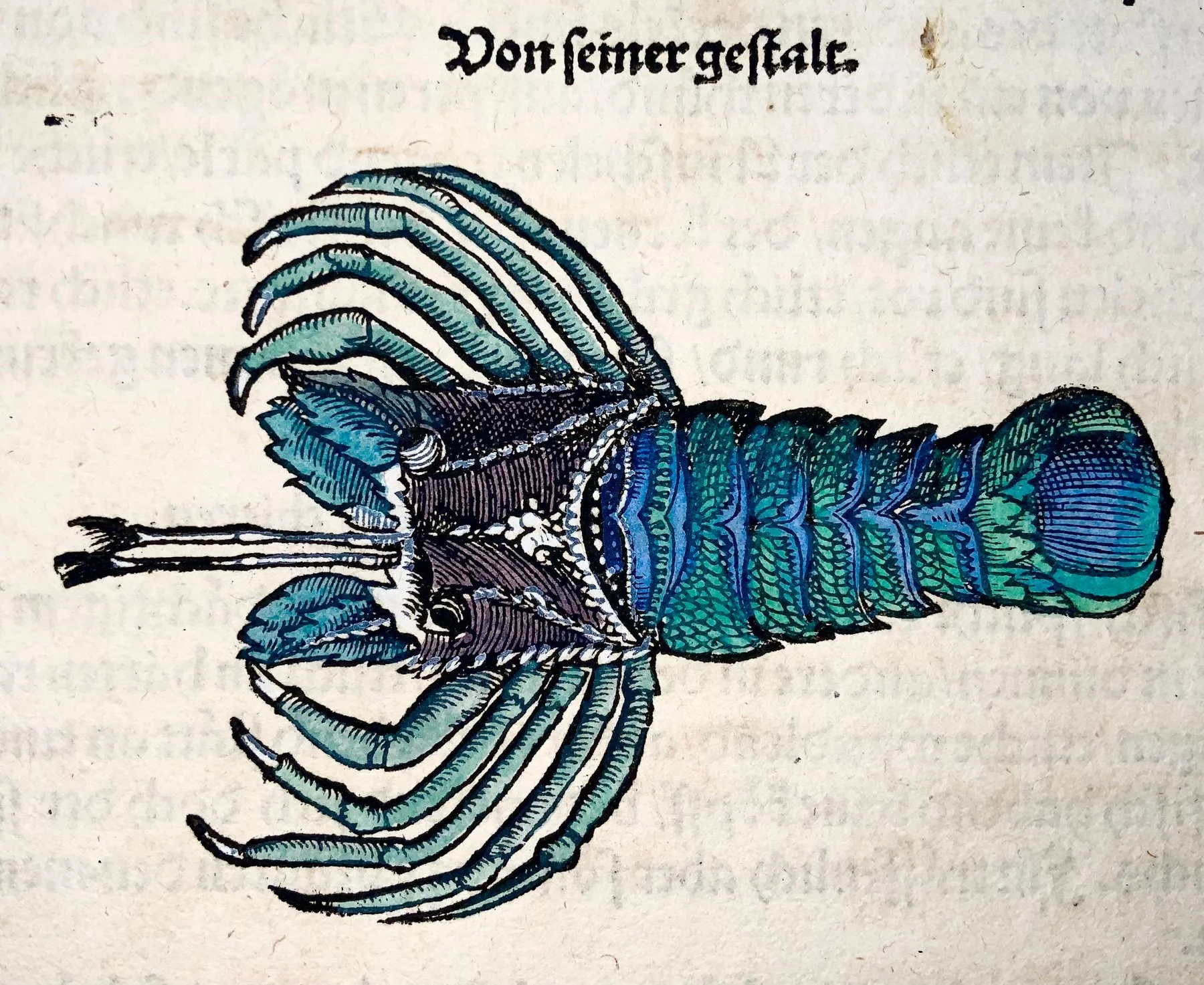
Sea Bear & Crab (Ichthyology)
From Fischbuch
Conrad Gesner
Zurich: Christoph Froschauer, 1563
Two woodcuts on a single folio leaf
Later hand coloring
Description
This fine sixteenth-century folio leaf depicting a sea bear and a crab originates from the 1563 German edition of Conrad Gesner’s Fischbuch, printed in Zurich by Christoph Froschauer. Issued during Gesner’s lifetime, the Fischbuch stands among the earliest focused attempts to document aquatic life through systematic observation and comparison.
Gesner was one of the great polymaths of the Renaissance, active as a physician, philosopher, bibliographer, and natural historian. His approach to ichthyology marked a decisive shift away from purely symbolic or mythic representations of marine creatures. At the same time, many animals remained imperfectly understood. The “sea bear” reflects this transitional moment, combining elements of real marine mammals with inherited classical and medieval descriptions. The image captures the uncertainty and curiosity that defined early modern marine science.
The woodcuts for the Fischbuch were executed by Hans Asper, Johann Thomas, and Lukas Schrön, whose work is characterized by clarity, restraint, and attention to form. The present leaf has been hand colored at a later date, enhancing contrast and visual presence while preserving the integrity of the original cuts. Each hand-colored example is unique.
Early Gesner marine prints are highly valued for their age, scholarly importance, and role in establishing the visual foundations of ichthyology. This folio, presenting both a speculative creature and a clearly observed crustacean, offers a compelling view into how Renaissance naturalists attempted to reconcile observation with tradition.
Condition
Good overall condition. Minor edge wear and a few small marks consistent with age. Please view images carefully.
References
Nissen 350
Details
Medium: Woodcuts with later hand coloring
Format: Folio leaf
Date: 1563
Dimensions: 13.54 × 8.66 inches (34.4 × 22 cm)
Subjects: Sea Bear, Crab, Ichthyology
Status: Available
The Sonoran Desert as a Baroque Landscape
The Baroque in Sonora and Arizona is not an anomaly. It is the result of global exchange, adaptation, and belief. Thick adobe walls, dramatic light, restrained ornament, and spiritual focus define a regional Baroque that belongs fully to the desert.
For those seeking Baroque architecture in Arizona, Baroque churches near Tucson, or Baroque influence in Mexico and Sonora, the Sonoran Desert offers one of the richest and most unexpected experiences in North America.
Here, the Baroque did not fade. It took root.
