Matthäus Merian the Elder: The Master Engraver Who Gave Shape to the Early Modern World
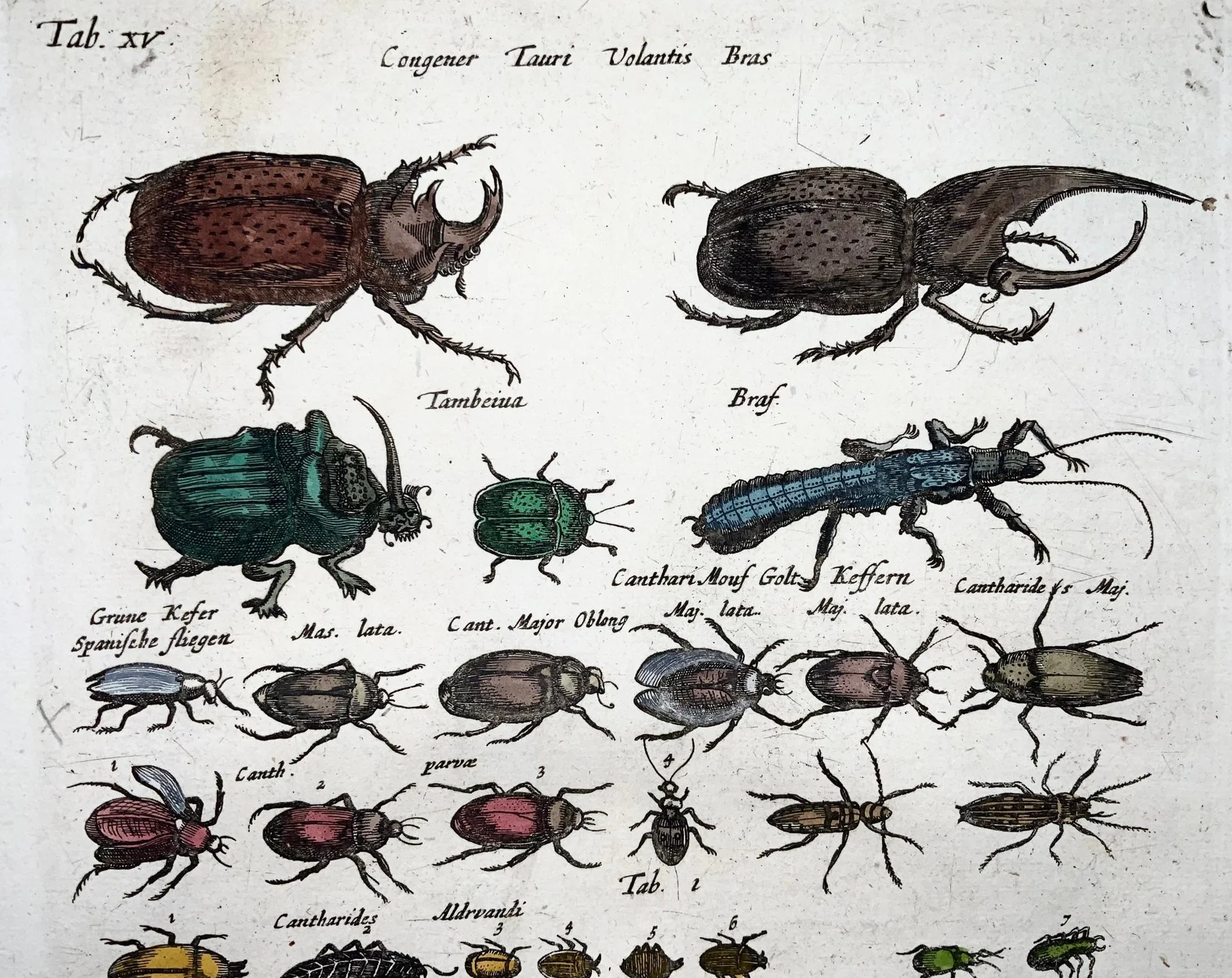
When collectors encounter the work of Matthäus Merian the Elder, they are not simply looking at decorative prints. They are engaging with one of the most important visual minds of the seventeenth century. Merian was a Swiss born engraver, publisher, and draftsman whose work shaped how Europe understood cities, landscapes, animals, and the natural world at a time when modern science and geography were still taking form.
Today, Merian’s engravings, particularly his hand colored natural history plates, are among the most admired and collected works of early modern print culture. Their precision, balance, and remarkable survival of color after centuries explain why his work continues to command attention from collectors, institutions, and historians.
Who Was Matthäus Merian the Elder
Matthäus Merian the Elder was born in Basel in 1593 and trained as a copperplate engraver during a period when engraving was both a technical craft and a vehicle for intellectual authority. His education took him across Europe, including Zurich, Strasbourg, Nancy, and Paris, before he ultimately settled in Frankfurt am Main, where he spent most of his career and established a successful publishing house.
In Frankfurt, Merian worked closely with Johann Theodor de Bry, the son of the famed engraver and publisher Theodor de Bry. This collaboration placed Merian at the center of Europe’s most ambitious publishing enterprises, which ranged from travel literature and cartography to encyclopedic works and natural history.
Merian was not merely a skilled technician. He was a visual interpreter of knowledge. His engravings transformed complex information into images that could be understood, trusted, and widely circulated.
Merian and Natural History Before Photography
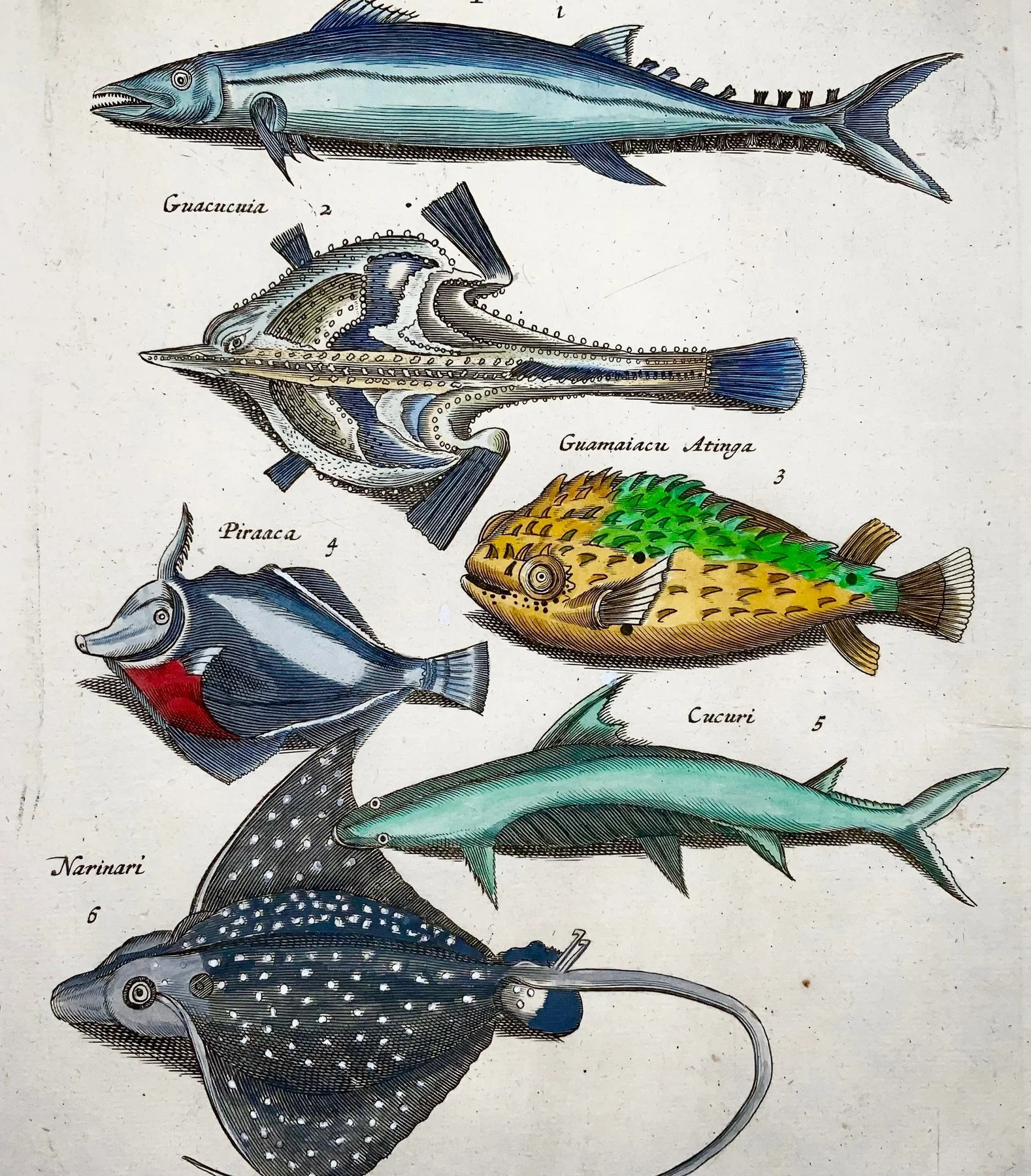
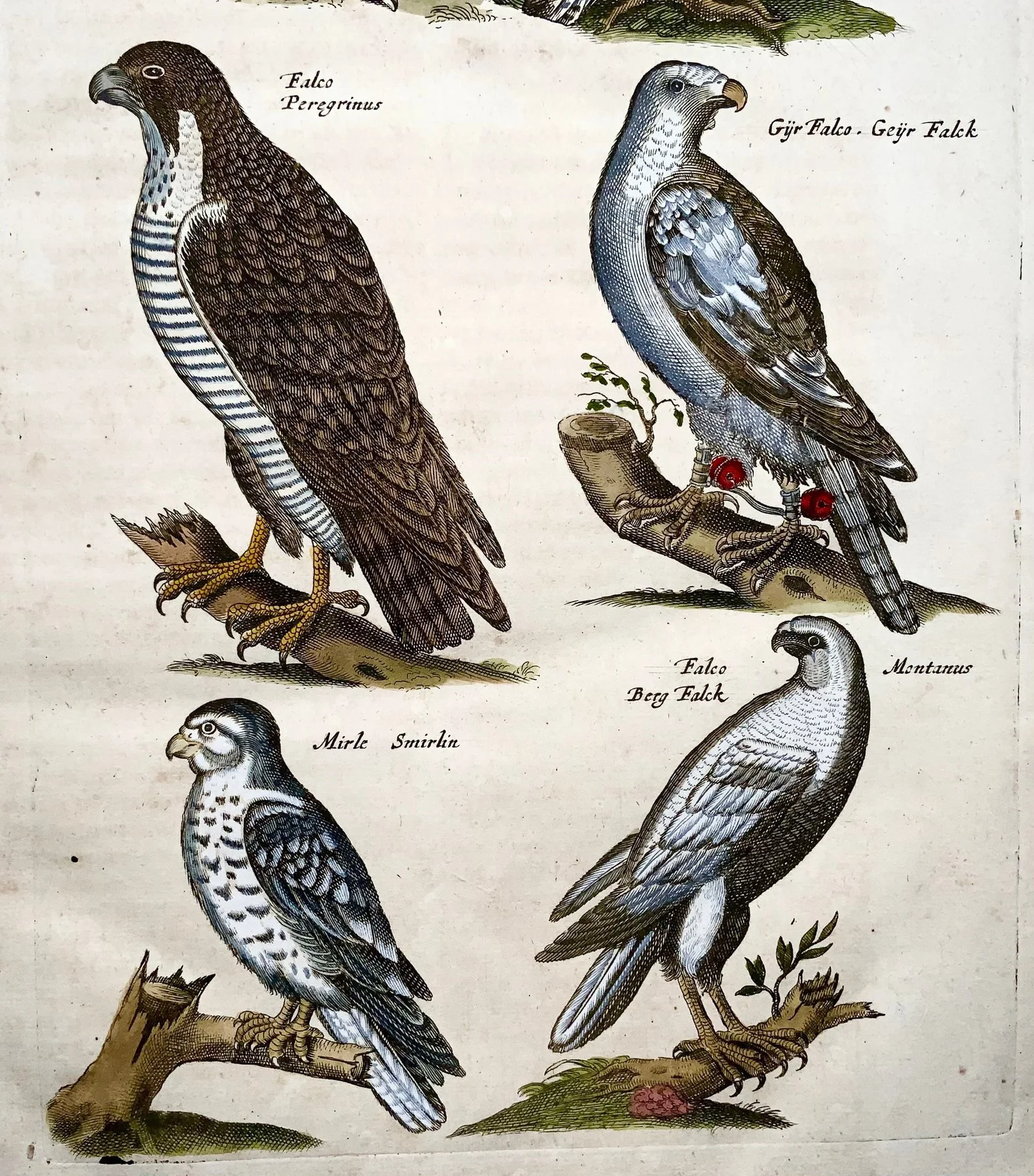
One of the most compelling aspects of Merian’s legacy is his contribution to early modern natural history. His engravings issued in works such as Jon Jonston’s Historia Naturalis, published in Amsterdam in 1657, represent a critical moment in the visual history of science.
These plates depict animals such as reptiles, birds, and marine creatures with clarity and compositional intelligence that still feels surprisingly modern. Yet they were created long before photography, standardized taxonomy, or systematic field biology. Merian’s images occupy a space between observation, inherited classical knowledge, and Renaissance curiosity.
Printed from finely engraved copperplates, many of these images were hand colored shortly after printing, often by professional colorists working in workshops. This practice meant that each impression became a unique object, shaped by the hand that applied its color.
Why the Hand Coloring Still Looks So Remarkable
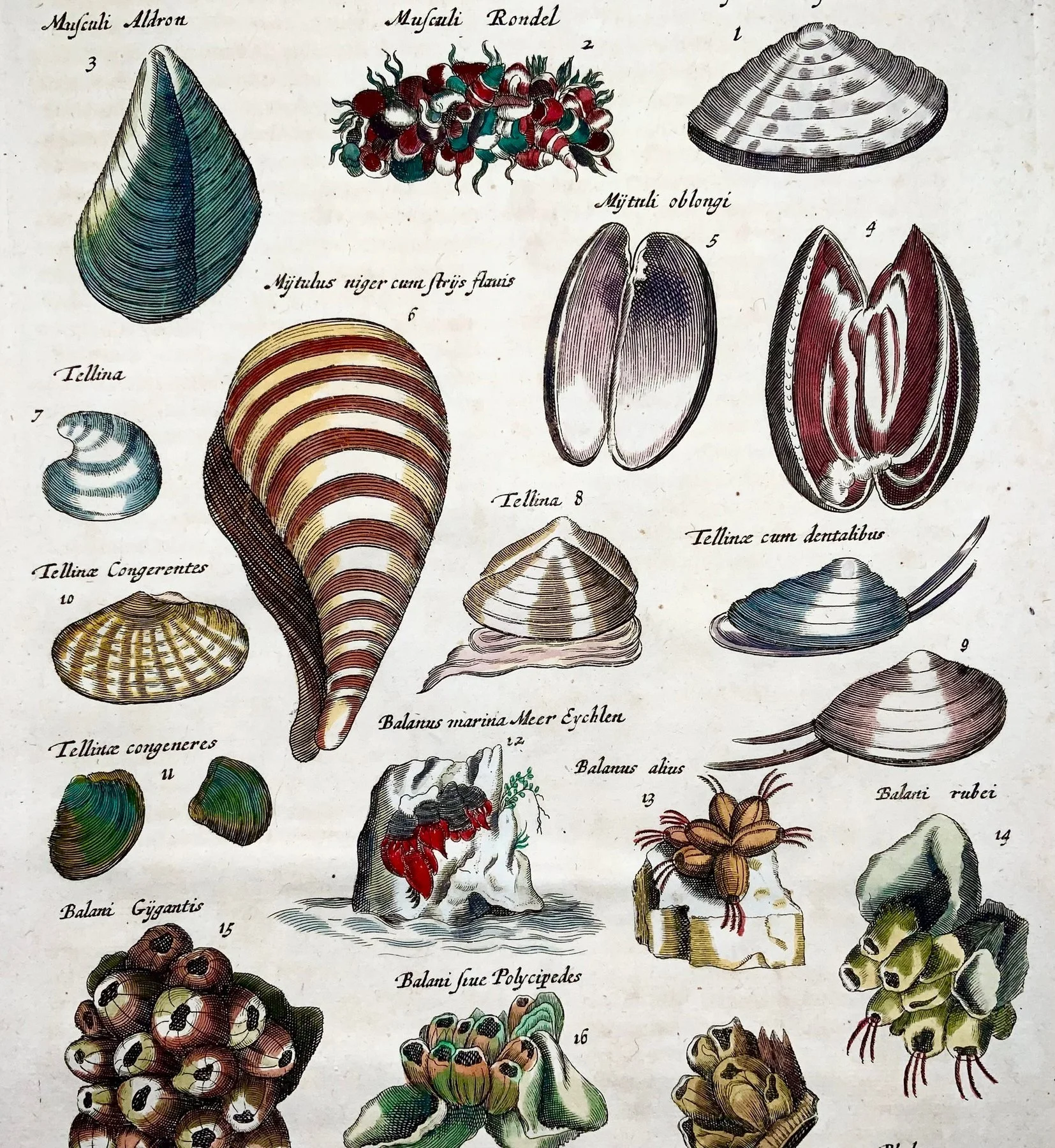
One of the most common reactions to Merian’s work is astonishment at the condition of the color. Viewers often ask how pigments can remain so vivid after more than three hundred and fifty years.
The answer lies in both materials and method. Early modern colorists used mineral and organic pigments such as ochres, verdigris, indigo, and cochineal. These were applied carefully to engravings whose lines were exceptionally crisp. Merian’s engraving technique provided clear boundaries that allowed color to sit precisely on the page rather than bleed or fade unevenly.
Combined with high quality paper, these factors explain why Merian’s hand colored prints retain their vibrancy, contrast, and visual authority centuries after they were created.
Merian’s Importance Beyond Natural History
Although natural history collectors prize Merian’s animals and scientific imagery, his importance extends far beyond zoological illustration. Merian was also the principal force behind the monumental Topographia series, a multi volume project documenting cities, towns, and landscapes across Europe.
These works shaped how Europe saw itself. For many cities, Merian’s views remain among the earliest reliable visual records. His engravings balanced accuracy with aesthetic harmony, producing images that were both informative and beautiful.
This ability to move effortlessly between scientific illustration and geographic documentation is what elevates Merian above many of his contemporaries.
Why Merian Matters to Collectors Today
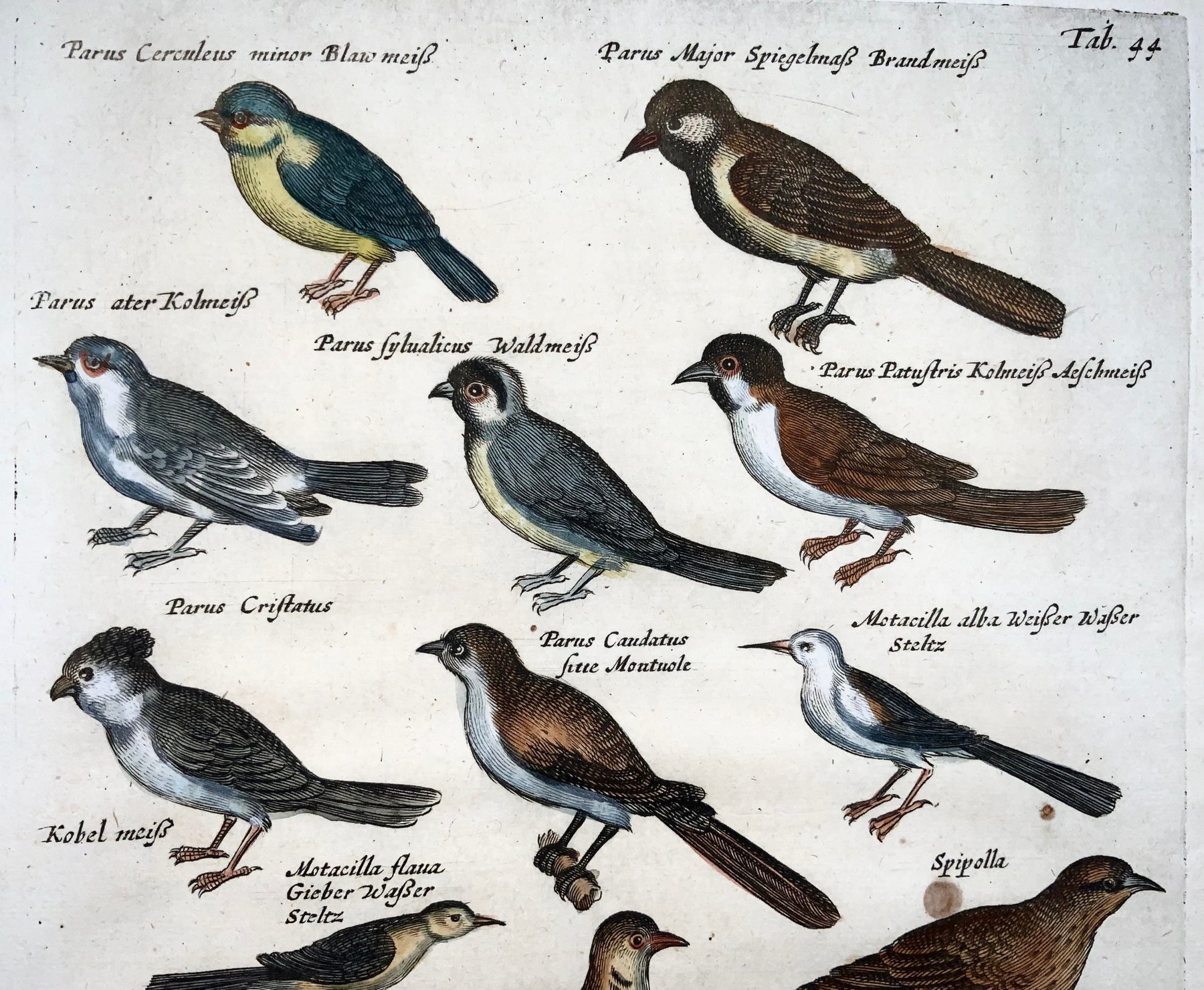
From a collecting perspective, Matthäus Merian the Elder occupies a rare position. His work is historically essential rather than marginal. It is visually compelling rather than purely academic. Hand colored examples survive that feel intimate, alive, and materially present.
Merian appeals to rare book collectors, natural history enthusiasts, institutions, and those drawn to cabinets of curiosities and early science. In a market filled with later decorative prints, his work represents true early modern intellectual production, created when Europe was still learning how to see and categorize the world.
A Lasting Legacy
Matthäus Merian the Elder died in 1650, but his influence continued through his publishing house and the ongoing circulation of his plates. His work helped establish visual standards for clarity, accuracy, and elegance that endured well into the Enlightenment.
To hold a Merian engraving today, especially a hand colored natural history plate, is to encounter a moment when art and knowledge were inseparable. These images were not added decoration. They were central tools of understanding.
That is why Matthäus Merian the Elder remains not only collectible, but essential.
