Experiencing the Renaissance and Baroque in Tucson, Arizona
When people think of the Renaissance or the Baroque, they imagine Florence, Rome, or Seville. Few expect to encounter these worlds in the Sonoran Desert. Yet Tucson, Arizona offers one of the most compelling environments in the United States to experience Renaissance and Baroque culture through architecture, music, landscape, and original European antiquities.
Set against desert light and vast skies, Tucson creates a striking dialogue between the Old World and the American Southwest. The result is not imitation, but continuity.
Baroque Architecture in the Sonoran Desert
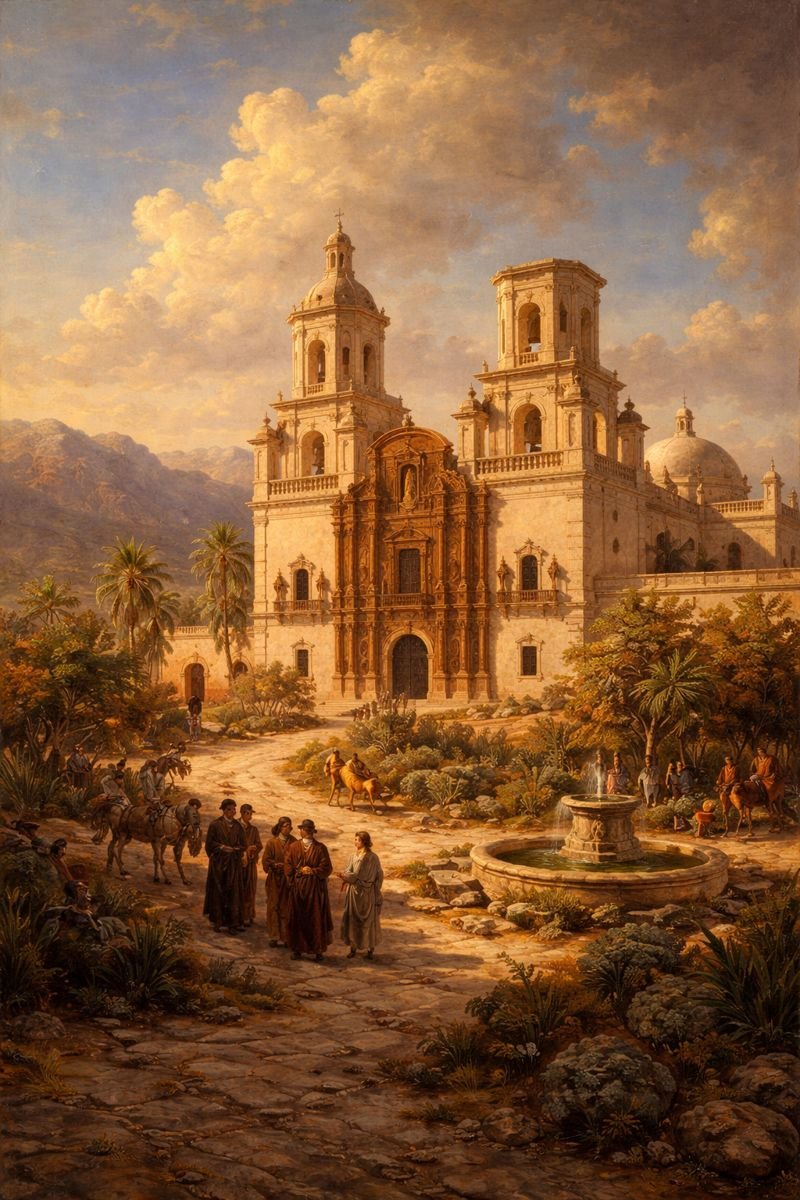
One of the most powerful places to experience the Baroque in Arizona is Mission San Xavier del Bac, located just south of Tucson. Often called the White Dove of the Desert, the mission is one of the finest surviving examples of Spanish colonial Baroque architecture in North America.
Built in the late eighteenth century, San Xavier reflects the same visual language found in European and Mexican Baroque churches. Elaborate ornamentation, sculptural facades, devotional imagery, and spatial drama are all present, transformed by desert materials and light. Visiting the mission offers a direct architectural connection between Renaissance humanism, Baroque devotion, and the history of the American Southwest.
Beyond San Xavier, Tucson and southern Arizona contain a network of historic churches and mission sites that echo European traditions adapted to the desert environment. These spaces make clear that the Renaissance and Baroque were global movements, not confined to Europe alone.
Baroque Music and Living Tradition
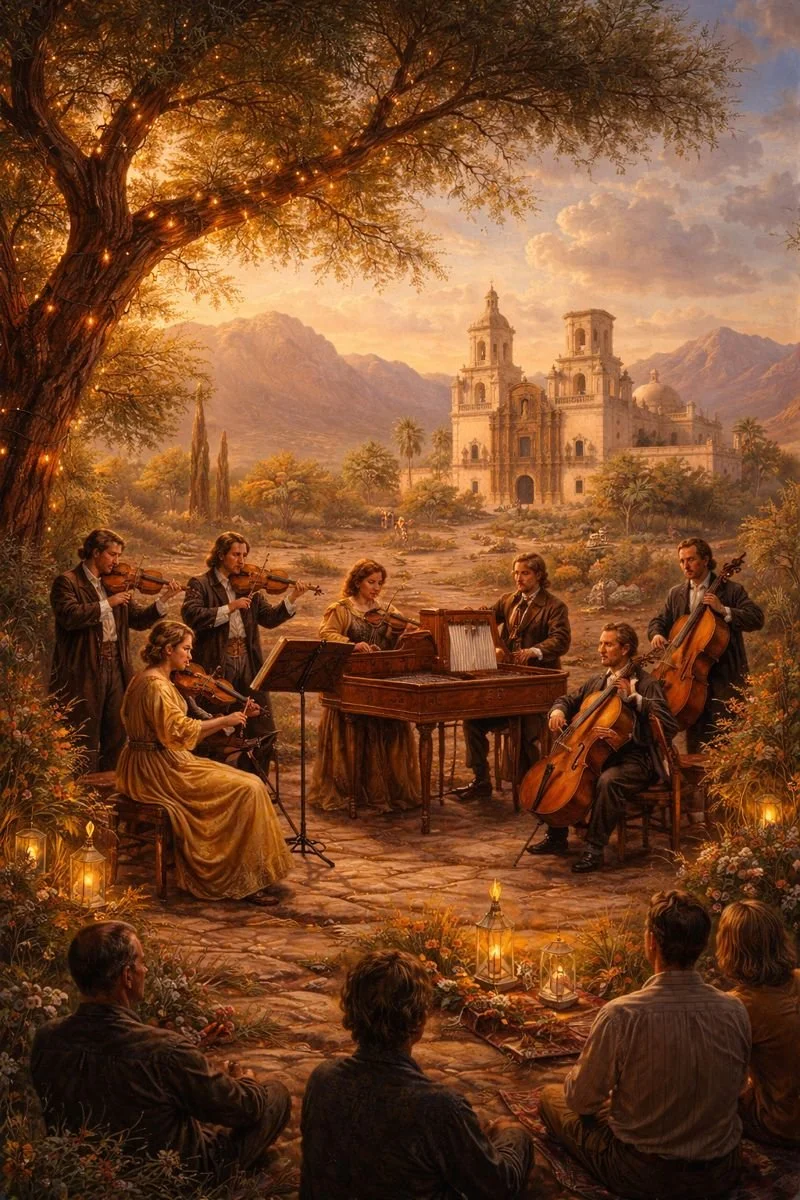
Tucson is also home to a vibrant classical music scene, including orchestral performances and early music programs that regularly feature Baroque composers. Attending a live performance of Bach, Vivaldi, or Monteverdi in Tucson places European musical traditions into a new acoustic and cultural context.
Baroque music, with its emphasis on structure, ornament, and emotional intensity, resonates deeply in the desert. The clarity of sound and the intensity of space mirror the visual clarity and scale found in Renaissance and Baroque art. Experiencing this music live reinforces the sense that these traditions remain active rather than historical.
From Architecture and Music to Original Renaissance Art
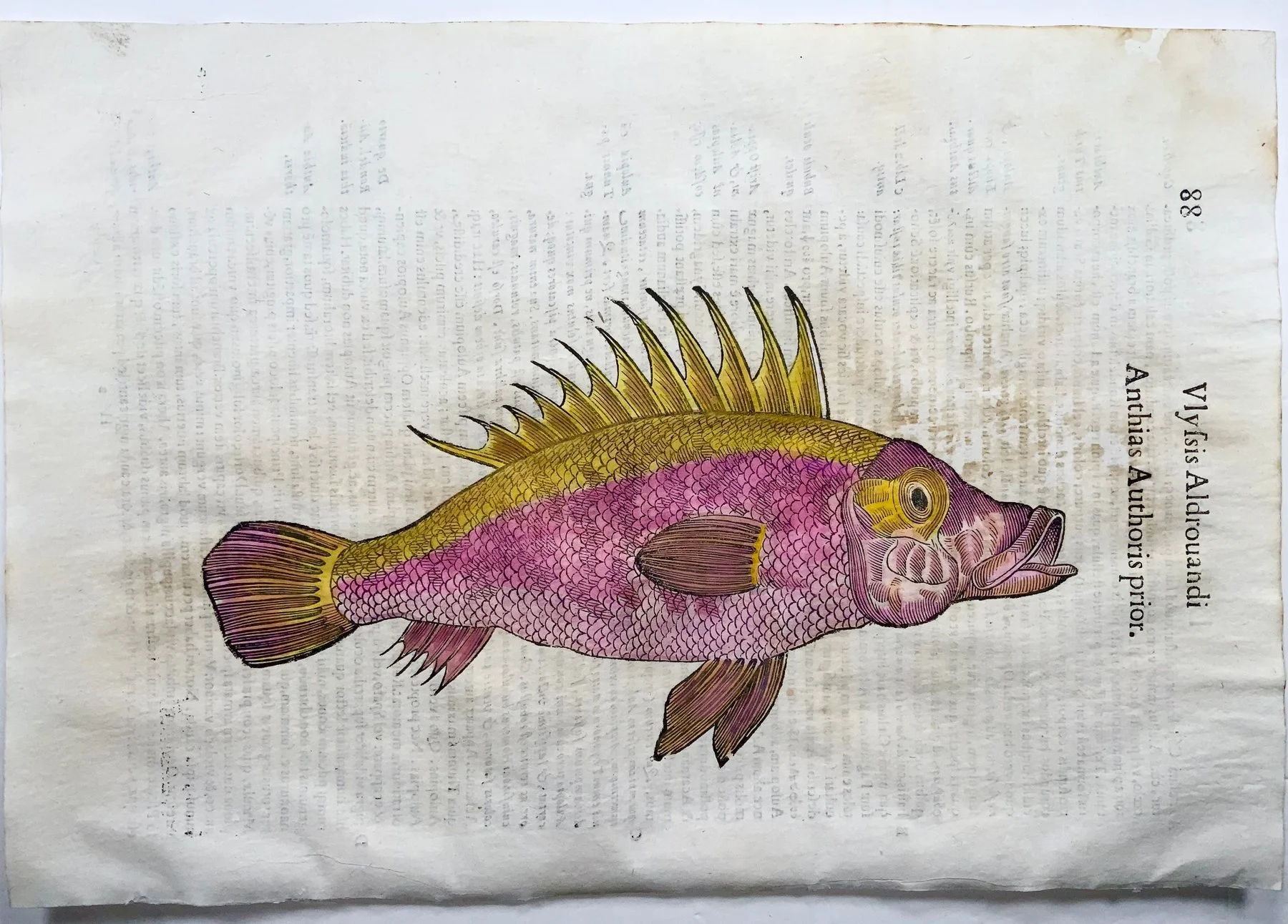
After encountering Baroque architecture and music in Tucson, the experience can continue through original Renaissance and Baroque prints, created in Europe centuries ago and now available in Arizona. These are not reproductions or decorative objects. They are authentic antiquities printed by hand in the sixteenth and seventeenth centuries.
Early natural history engravings, botanical woodcuts, and scientific illustrations from figures such as Matthäus Merian, Conrad Gesner, Ulisse Aldrovandi, and Giorgio Liberale represent the intellectual core of the Renaissance and Baroque periods. These works embody the same spirit found in Baroque churches and music: a desire to understand the world through observation, structure, and beauty.
Owning or viewing an original Renaissance or Baroque print in Tucson creates a rare continuity. The desert landscape becomes the setting for objects that once circulated through European courts, universities, and libraries. The contrast enhances their power rather than diminishing it.
Tucson as a Place for Old World Culture
What makes Tucson unique is not imitation, but authenticity. The city does not recreate the Renaissance or Baroque. It allows these traditions to exist naturally within a new environment. Spanish missions, Baroque music, desert light, and original European antiquities form a coherent cultural experience.
For collectors, scholars, and visitors interested in Renaissance art, Baroque culture, and antique prints in Arizona, Tucson offers something few places can. It is possible to move in a single day from a Baroque mission to a classical concert to the study of original seventeenth century engravings.
Renaissance and Baroque Prints Available Now
A curated selection of authentic Renaissance and Baroque prints, including early natural history, botanical illustration, and scientific engravings, is currently available through this site. Each work is an original artifact of European intellectual history, brought into the Sonoran Desert to be studied, collected, and lived with.
Experiencing the Renaissance and Baroque in Tucson does not require travel to Europe. It requires attention, curiosity, and engagement with objects and spaces that continue to carry meaning across centuries.
Arizona may be far from Florence, but the Renaissance is closer than most expect.