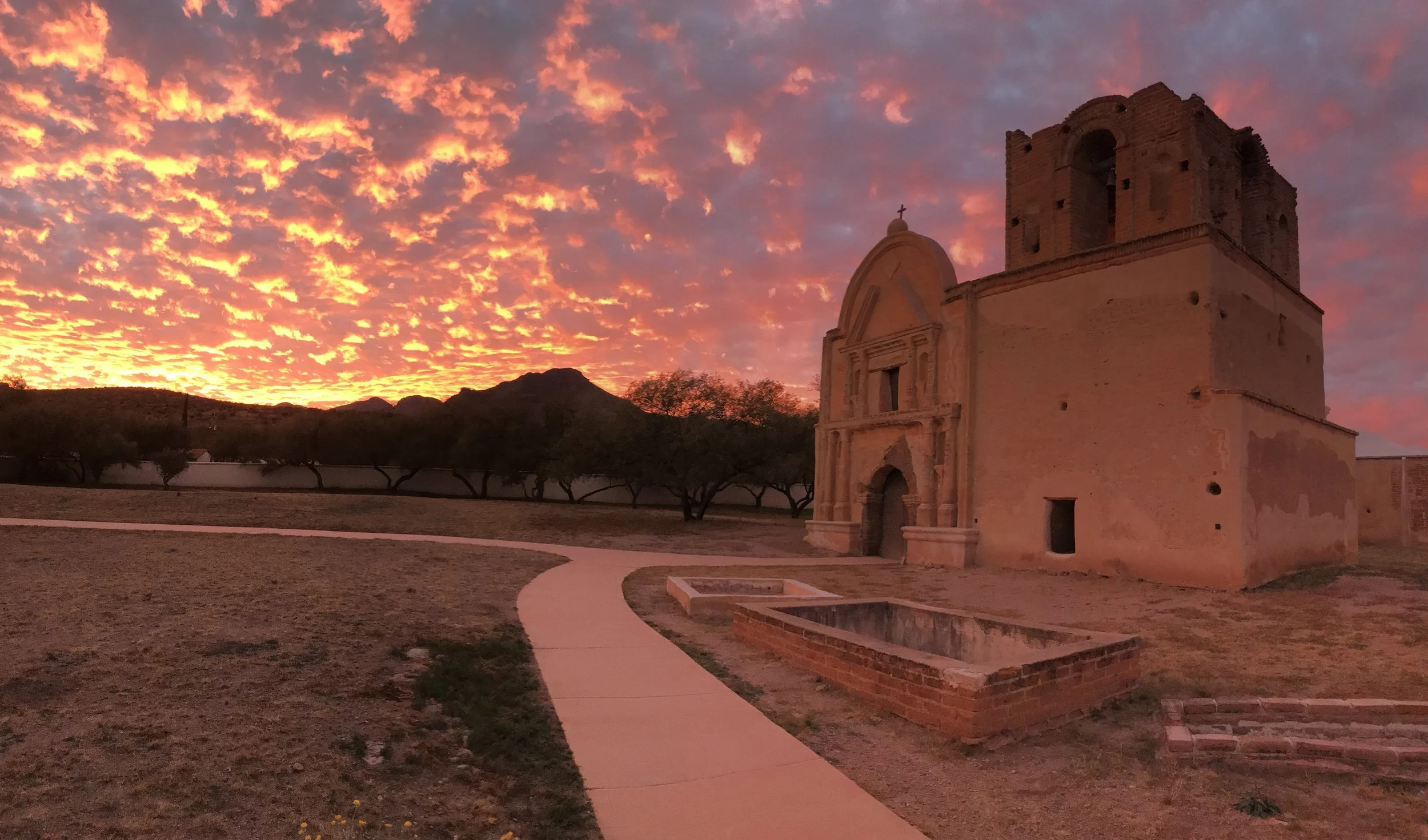
Southern Arizona's Gateway to Renaissance & Baroque Masterpieces
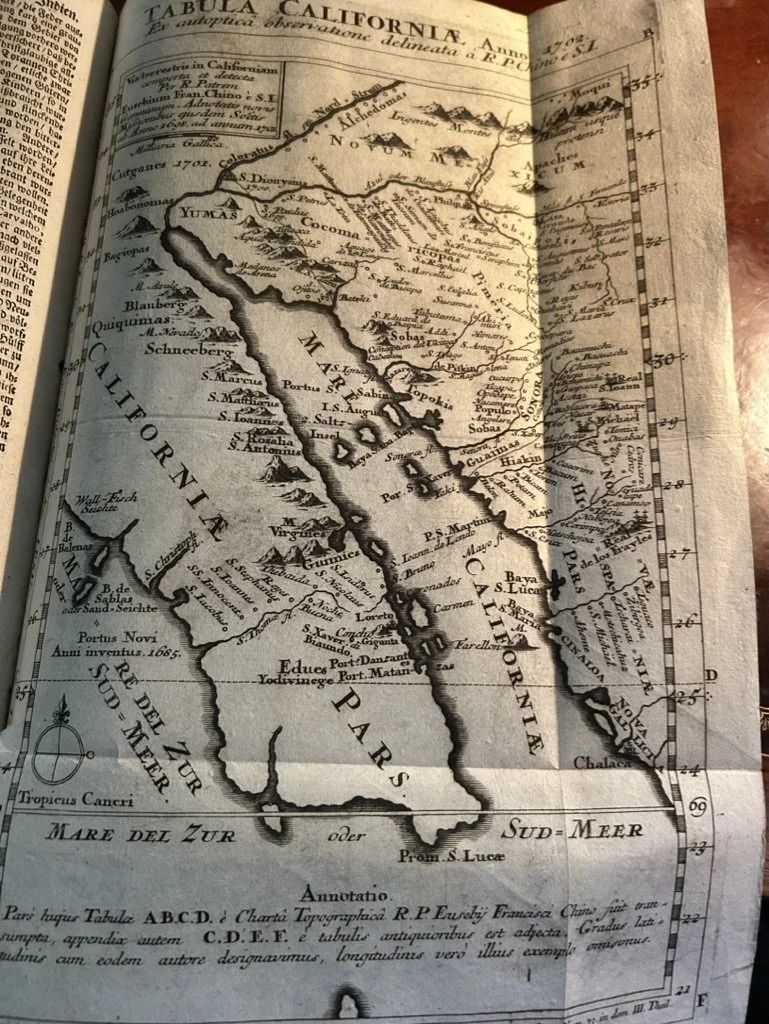
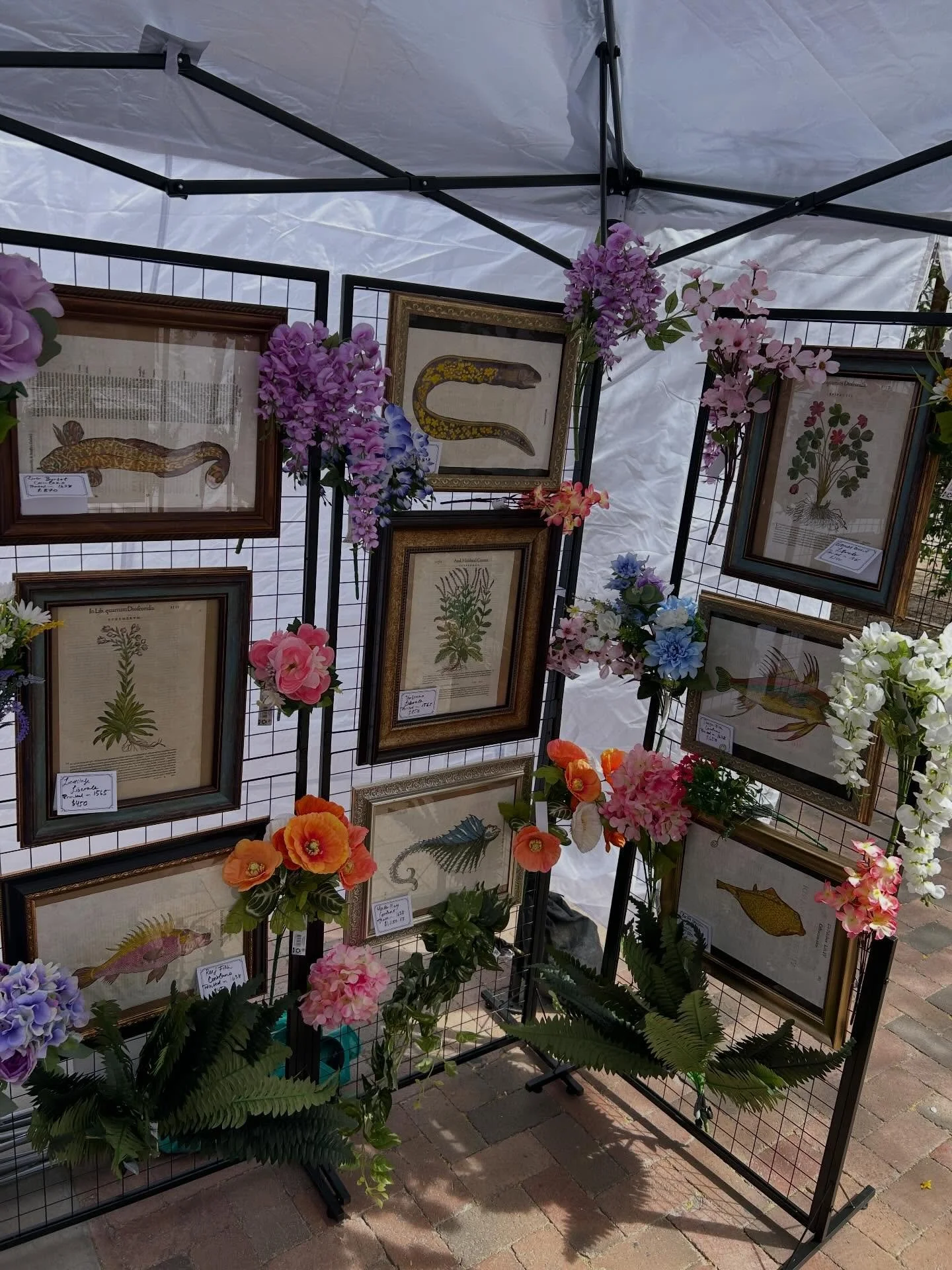
Printed by hand in workshops across Europe, these Renaissance and Baroque images were made to travel. They crossed borders, oceans, and centuries, carrying knowledge, beauty, and ways of seeing the world long before photography or mass reproduction.
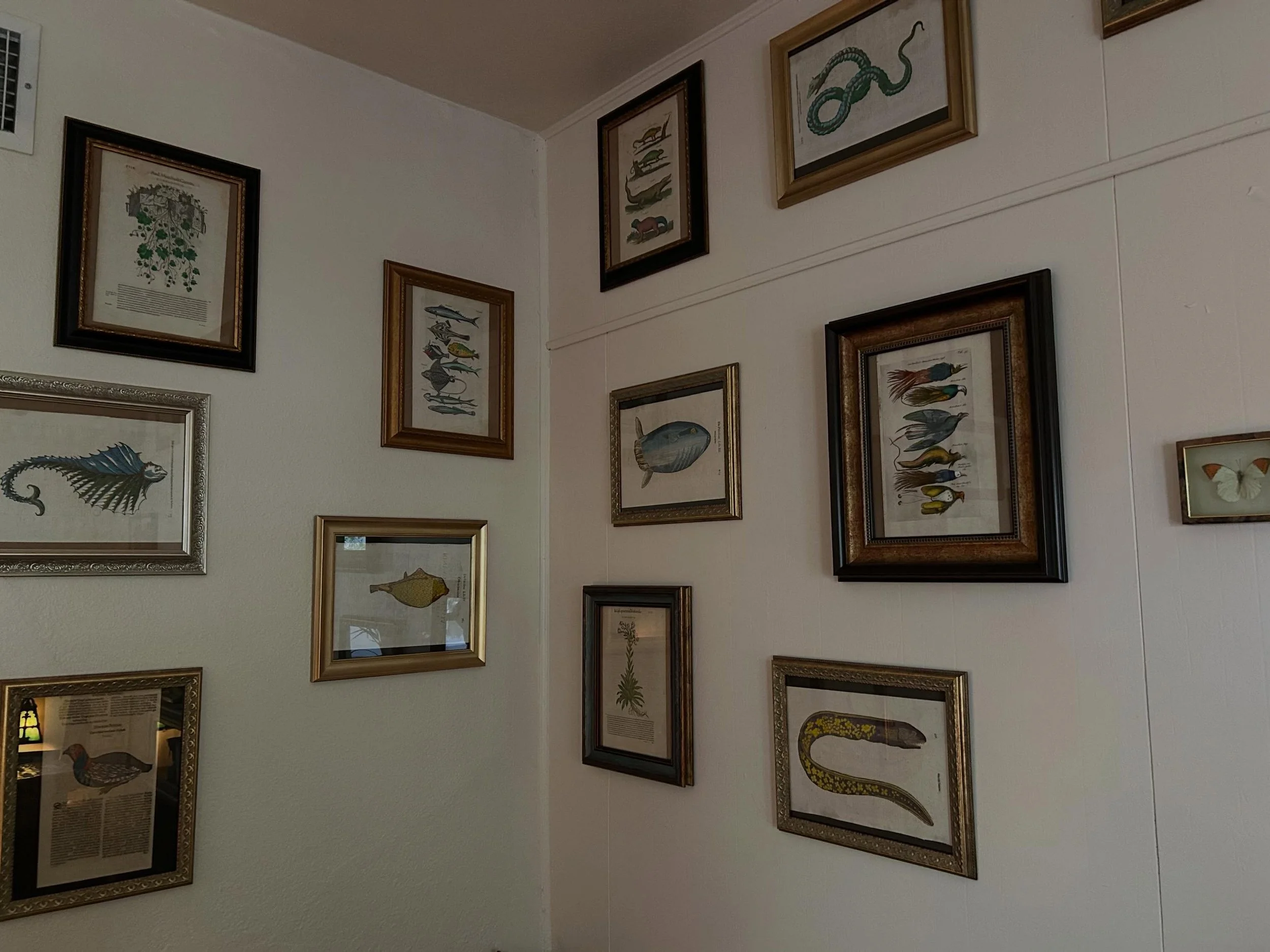
Today, we have brought these works to the Sonoran Desert, where they are carefully preserved and studied. Our hope is simple. To share the art, craft, and intellectual life of the early modern world with others, and to place these surviving works into collections where they can continue to be lived with, learned from, and passed on.
New to collecting? Start here!
Featured Prints
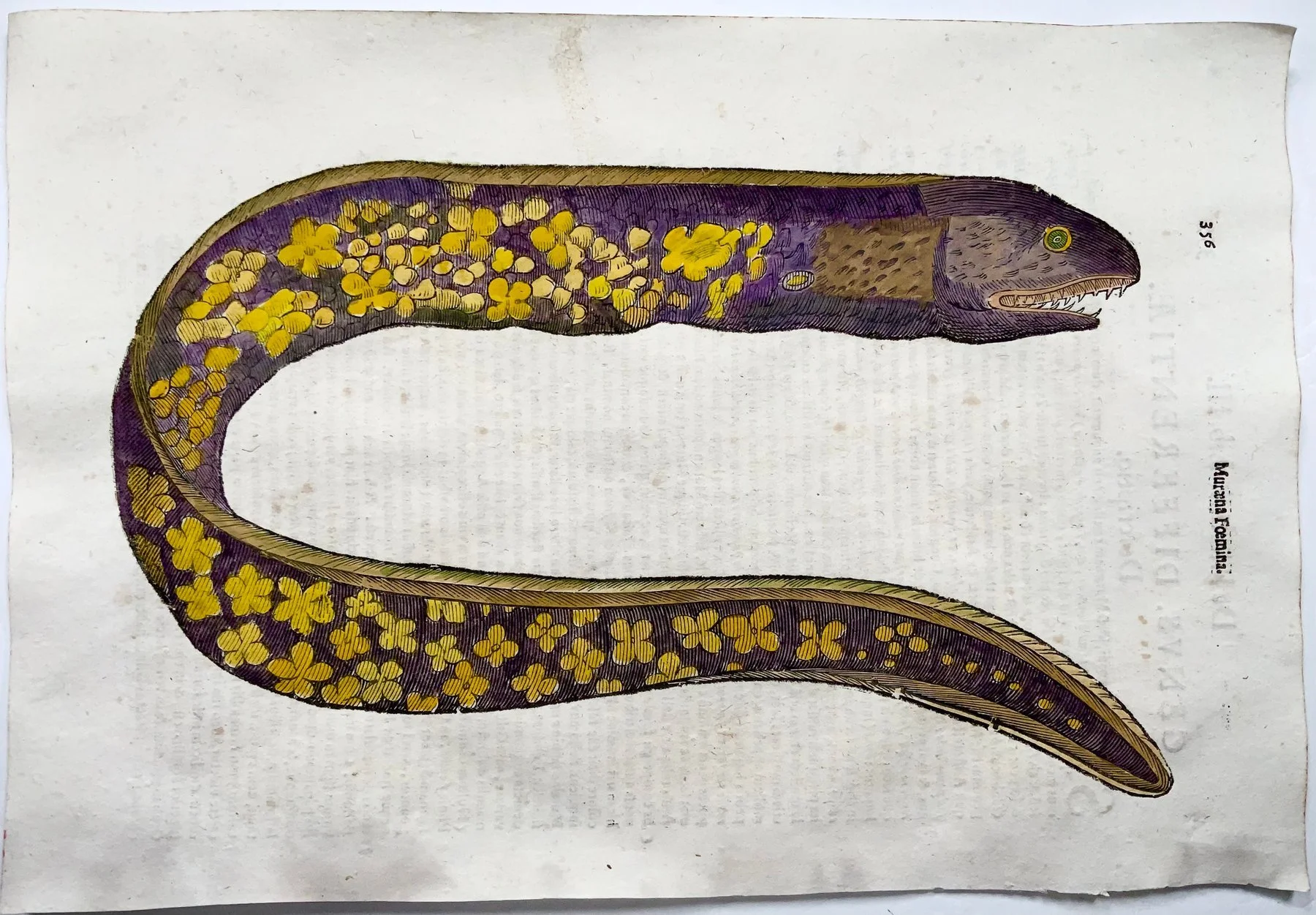
Moray Eel (Muraenidae)
From De Piscibus
Ulisse Aldrovandi, engraved by Cristoforo Coriolano
Bologna: Nicolaus Tebaldini, 1638
Hand-colored woodcut on folio leaf
Woodcut printed to recto
This folio leaf depicting a moray eel (Muraenidae) originates from De Piscibus, part of Ulisse Aldrovandi’s monumental natural-history project dedicated to the systematic study of aquatic life. Published posthumously in Bologna in 1638, the work represents one of the most ambitious attempts of the early modern period to reconcile classical sources, eyewitness observation, and Renaissance scientific inquiry.
The image was engraved by Cristoforo Coriolano, whom Aldrovandi himself praised above all other collaborators. Contemporary and later bibliographers remarked on the exceptional refinement of Coriolano’s woodcuts, noting that their elegance and tonal clarity often rival copper engravings—an extraordinary achievement for the medium. The present impression exemplifies this quality, with a sinuous, carefully articulated figure rendered with both anatomical attention and aesthetic balance.
The sheet has been hand-colored, likely shortly after publication, enhancing the visual impact of the composition and underscoring the luxury status of the volume from which it derives. As with all hand-colored examples, the application of pigment is unique, lending individuality to the print and reinforcing its character as an object made for a discerning early modern audience.
Aldrovandi was regarded by his contemporaries—sometimes with wry admiration—as the “Pontifex Maximus of Natural History,” driven by a near-obsessive thoroughness in cataloging the natural world. While his textual expansiveness was occasionally critiqued, the artistic quality of the illustrations in his works has been consistently and unequivocally praised, securing their place among the most visually compelling scientific images of the Renaissance.
Condition:
Very light age spotting, consistent with the period. Overall well preserved. Please refer to images for details.
References:
Nissen, Zoologische Buchillustration (ZBI) 70
Nissen, Fischbücher 7
Westwood & Satchell 3
Huber 56
Status: Available
Inquiries: Acquisition and exhibition inquiries welcome
![Giorgio Liberale; W. Meyerpeck - Folio, 2 large woodcuts, Botany: Ivy [Cymbalaria], Pennywort - 1565](https://images.squarespace-cdn.com/content/v1/696fb74856703d5db9f3c89f/798b1228-fbed-434b-b082-9384c3cb7bbb/Ivy+2.jpg)
Botanical Studies: Ivy (Cymbalaria) & Pennywort
From Herbarz
Giorgio Liberale, engraved by Wolfgang Meyerpeck
Prague: Georg Melantrich, 1565
After Pietro Andrea Mattioli
Hand-colored woodcuts on a single folio leaf
Two large woodcuts, printed to recto and verso
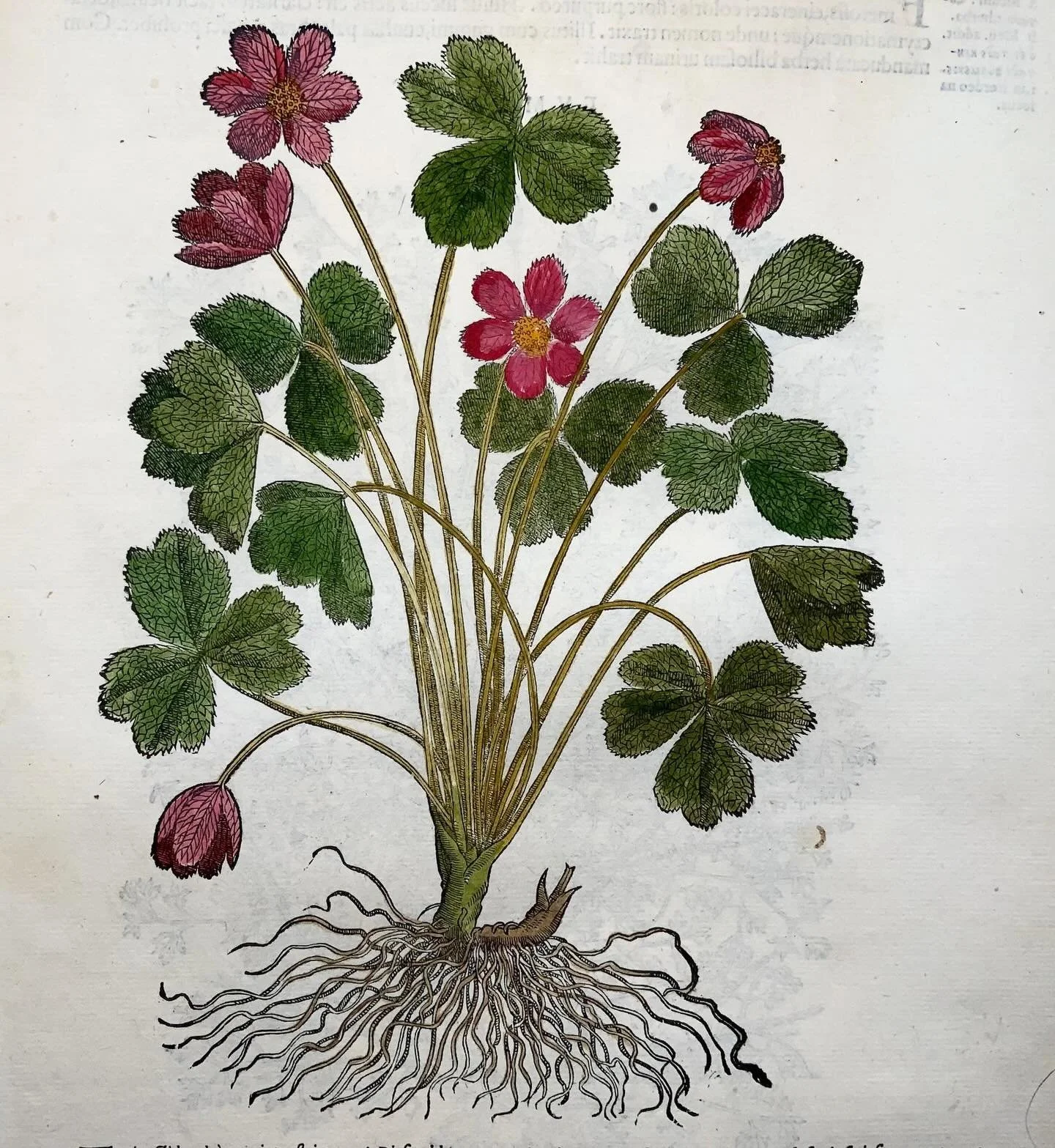
This folio leaf presents two finely executed botanical woodcuts depicting ivy (Cymbalaria) and pennywort, issued from the Prague edition of Pietro Andrea Mattioli’s celebrated Herbarz. Produced in 1565 by the imperial printer Georg Melantrich, the work belongs to one of the most important and visually accomplished Renaissance herbals.
The illustrations were designed by Giorgio Liberale, an Italian artist from Udine who worked extensively for the imperial court in Prague, and engraved by Wolfgang Meyerpeck. Liberale is credited with producing nearly 600 large woodblocks for the Prague editions of Mattioli’s commentary on Dioscorides—a monumental undertaking that resulted in some of the finest botanical woodcuts ever produced. Contemporary and later commentators noted that the delicacy of these cuts often caused the blocks to wear quickly, making early impressions especially desirable.
The present examples are hand-colored, likely shortly after publication, enhancing both their visual clarity and aesthetic appeal. Mattioli’s Herbarz is recognized as one of the most significant Renaissance botanical works and among the scarcest herbals, with very few copies recorded in North American collections. These images stand at the intersection of medicine, botany, and Renaissance printmaking, reflecting the period’s drive to systematize plant knowledge for scientific and practical use.
Condition:
Good overall condition. Light age toning to the upper margin of the leaf. Minimal restoration to the edge. Please view images carefully.
Bibliographic references:
Nissen, Botanische Buchillustration (BBI) 1314
Pritzel 5992
Anderson, Herbals 163
Status: Available
Inquiries: Acquisition and exhibition inquiries welcome
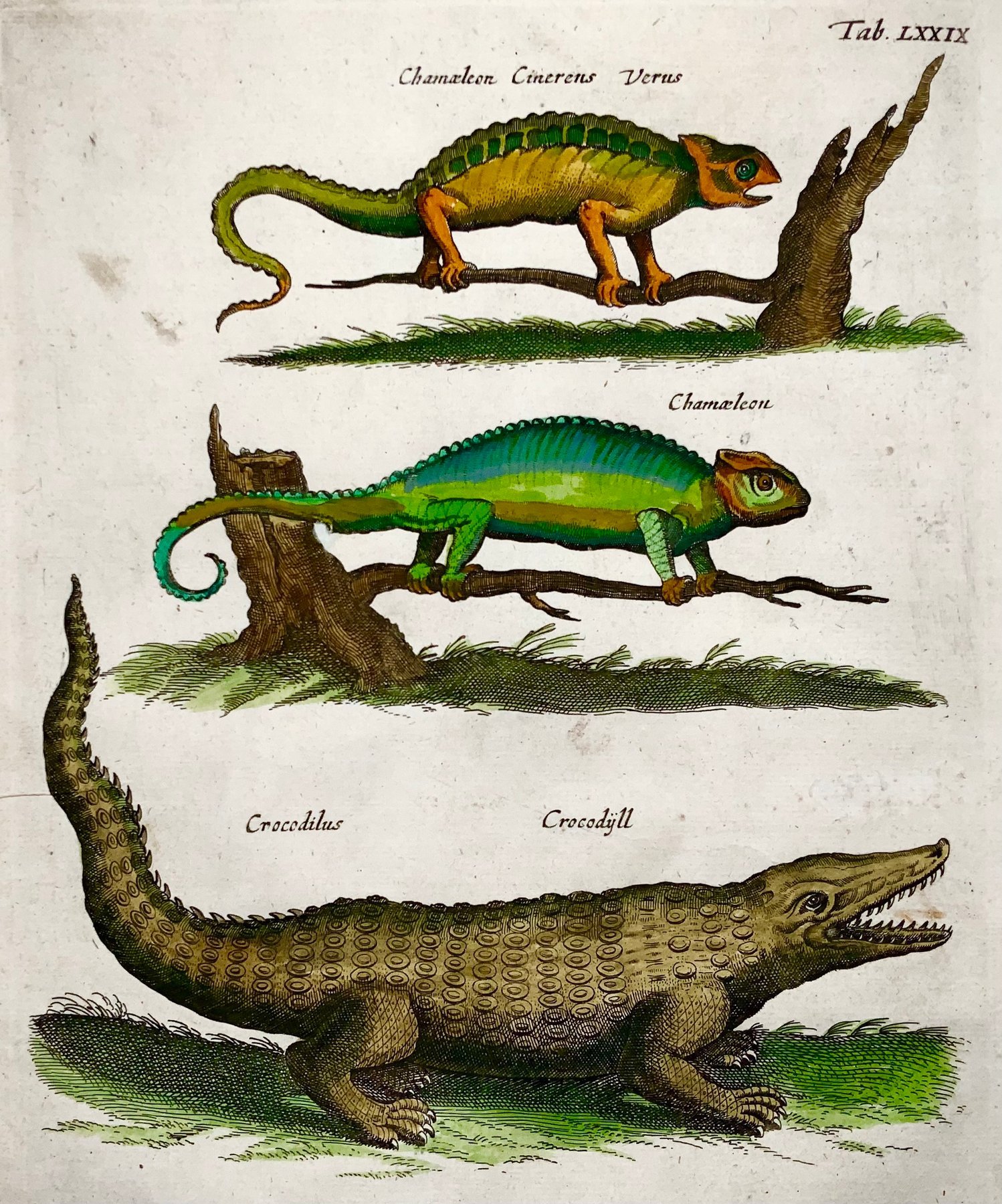
Reptiles: Chameleons & Crocodiles
From Historia Naturalis
Matthäus Merian the Elder
Amsterdam, 1657
Issued in Historia Naturalis by Jon Jonston
Hand-colored copperplate engraving on folio leaf
This folio engraving depicting chameleons and crocodiles was executed by Matthäus Merian the Elder and published in Amsterdam in 1657 as part of Jon Jonston’s Historia Naturalis, one of the most influential natural history compilations of the 17th century. The work reflects the moment when Renaissance curiosity evolved into early modern scientific taxonomy, combining empirical observation with inherited classical knowledge.
Merian, a Swiss-born engraver trained in Basel, Zurich, Strasbourg, and Paris, spent most of his career in Frankfurt am Main, where he established himself as one of the leading engravers and publishers of his generation. Best known today for his Topographia series of town views and maps, Merian brought the same precision, compositional clarity, and technical refinement to scientific illustration. His engravings are characterized by crisp line work, balanced spatial organization, and a restrained yet expressive visual language.
The present engraving was printed from a copperplate and subsequently hand-colored, likely in a contemporary workshop, enhancing the visual differentiation of species and increasing the print’s appeal as both a scientific image and a luxury object. Hand-colored examples from Jonston’s Historia Naturalis are especially desirable, as each impression is unique and reflects early modern practices of bespoke coloring.
Merian’s contribution to natural history illustration lies in his ability to render complex subjects with clarity and authority, making works such as this essential documents in the visual history of zoology and the transmission of scientific knowledge in early modern Europe.
Condition:
Good overall condition for the age. A few light surface marks. Slight dusting and fingering to the margins, consistent with handling. Please view images closely for details.
Status: Available
Inquiries: Acquisition and exhibition inquiries welcome
Shop the
New
Collection
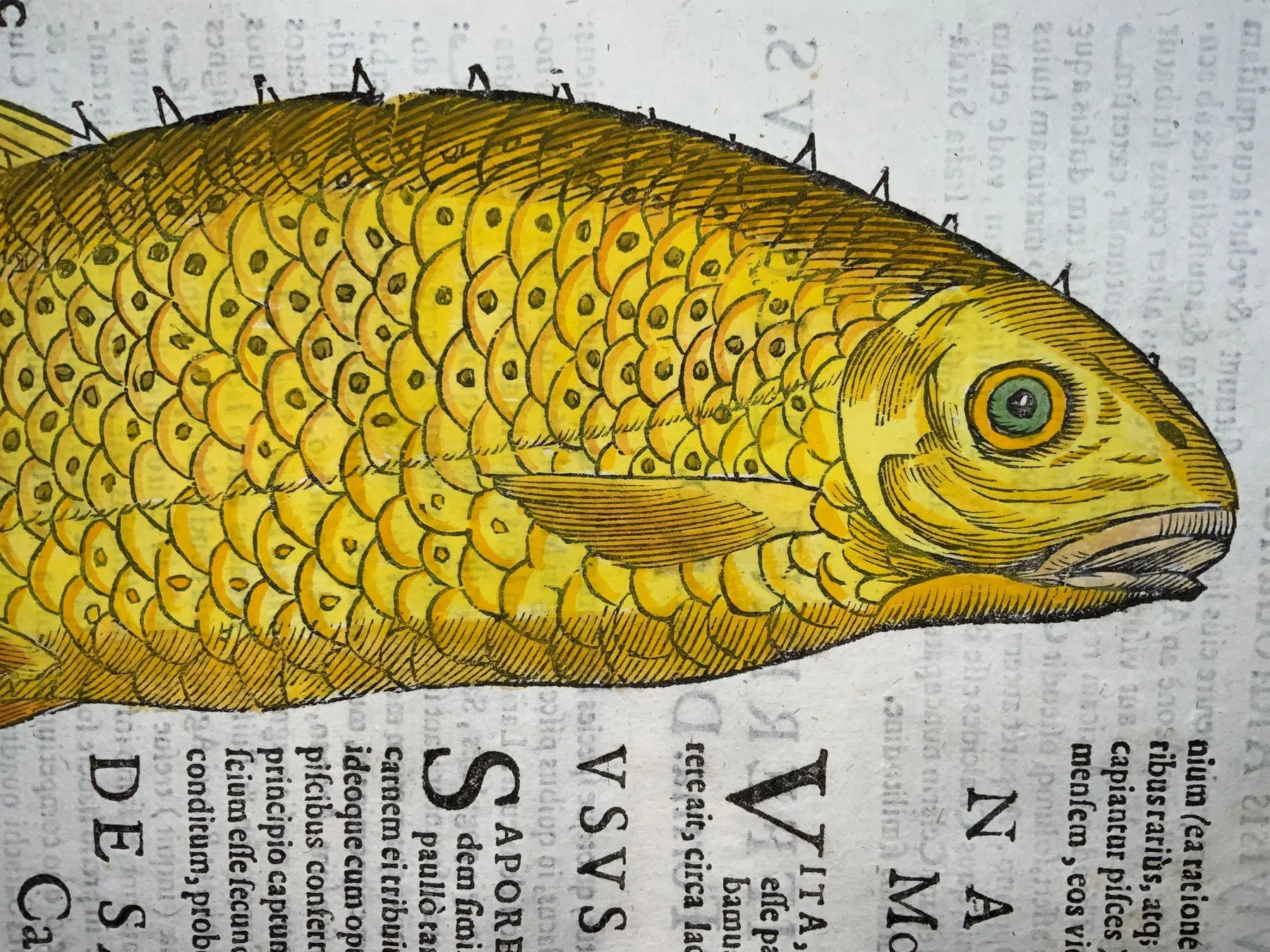
Golden Carp (Ichthyology)
From De Piscibus
Ulisse Aldrovandi, engraved by Cristoforo Coriolano
Bologna: Nicolaus Tebaldini, 1638
Hand-colored woodcut on folio leaf
Woodcut printed to recto
Description
This elegant folio woodcut depicting a golden carp originates from De Piscibus, Ulisse Aldrovandi’s monumental study of aquatic life, published posthumously in Bologna in 1638 by Nicolaus Tebaldini. Carp were among the most familiar and symbolically resonant freshwater fish known to early modern Europe, valued both for their economic importance and their distinctive physical form.
Aldrovandi was regarded by his contemporaries, sometimes with admiring irony, as the supreme authority on natural history for his exhaustive and methodical approach to classification. While his texts were occasionally criticized for excess, the illustrations in his works were universally praised. Particular admiration was reserved for his woodcut engraver Cristoforo Coriolano, whose cuts were noted for their refinement and elegance, often compared to copper engravings in their precision.
The present impression exemplifies this quality. Coriolano’s line work captures the carp’s elongated body, scaled texture, and flowing fins with clarity and restraint. The sheet has been hand colored, likely shortly after publication, enriching the naturalistic presentation while preserving the authority of the engraving. Each hand-colored example is unique.
Golden carp occupy an important place in the history of ichthyology, representing one of the earliest freshwater species to be studied systematically. This print reflects the transition from descriptive tradition to observational science and remains a compelling artifact of early modern natural history illustration.
Condition
Good overall condition. Please view images carefully for details.
Bibliographic References
Nissen, Zoologische Buchillustration (ZBI) 70
Nissen, Fischbücher 7
Westwood & Satchell 3
Huber 56
Details
Medium: Hand-colored woodcut
Format: Folio leaf
Date: 1638
Dimensions: 13.78 × 9.45 inches (35 × 24 cm)
Subject: Golden Carp, Ichthyology
Status: Available
Discover the latest additions to our collection—handpicked pieces that bring new energy to your space.
FAQs
1. What are prints, and what makes them rare?
Prints are images created by transferring ink from a hand-carved or engraved surface onto paper. In the Renaissance and Baroque periods, this was done using copper plates or carved woodblocks, with each sheet printed individually by hand. What makes these prints rare is not only their age, but their survival. Many were lost, damaged, or discarded over centuries. Hand coloring, early impressions, strong condition, and identifiable historical context all increase rarity.
2. What are the Renaissance and Baroque periods?
The Renaissance and Baroque were cultural periods in Europe roughly spanning the fifteenth through seventeenth centuries. The Renaissance emphasized observation, proportion, and the rediscovery of classical knowledge, while the Baroque expanded these ideas through drama, movement, and emotional intensity. Together, these periods shaped modern science, art, architecture, and music. The prints from this era reflect a world learning how to see, classify, and understand nature for the first time.
3. Why are these prints valuable?
These prints are valuable because they are original historical objects, not reproductions. They were created by some of the most important figures in early science and art and were used to transmit knowledge across Europe. Their value is shaped by age, condition, rarity, artistic quality, historical importance, and provenance. Unlike decorative art, these works are documents of intellectual history, combining scholarship, craftsmanship, and material survival.
4. Why are these prints worth collecting today?
Collecting these prints is a way of preserving and living with history. Each work is a direct physical link to the Renaissance or Baroque world and carries centuries of use, study, and interpretation. They reward close looking, deepen understanding of art and science, and hold long-term cultural value. For many collectors, they also offer something increasingly rare: authenticity, permanence, and meaning beyond trends or speculation.
Our Services
Have you ever dreamed of building a rare book or print collection with depth and purpose?
-
Beyond individual purchases, I help shape collections as coherent intellectual projects. This includes defining focus areas, identifying gaps, advising on display and preservation, and thinking long-term about legacy, institutional relevance, or future donation or resale. The emphasis is on building collections with depth, integrity, and lasting cultural value.
-
I advise on how and where to acquire material thoughtfully and responsibly. This includes auction guidance, dealer vetting, private sale evaluation, and international sourcing, with attention to market norms and long-term value rather than impulse buying. Clients benefit from informed decision-making and a collecting strategy tailored to their interests, budget, and goals.
-
Clients receive expert guidance in identifying, contextualizing, and understanding rare books and prints. This includes bibliographic verification, edition identification, dating, and historical context, as well as assessment of condition, hand coloring, and printing technique. The goal is clarity: understanding exactly what an object is, where it belongs historically, and why it matters.
About
our company
We specialize in authentic European antiquities, bringing early modern prints and books from Europe into dialogue with the Sonoran Desert. Our focus is on original works of natural history, science, and exploration from the 16th through 18th centuries—objects created by hand at a moment when knowledge of the natural world was still being formed. Every piece we handle is a true antiquity, valued for its material integrity, bibliographic accuracy, and historical significance. By situating European scientific and artistic traditions within a desert context, we aim to create a new way of seeing both the objects and the landscape they now inhabit.
Follow us on Social!