How to Start Collecting Antique Prints and Old Books
How to Start:
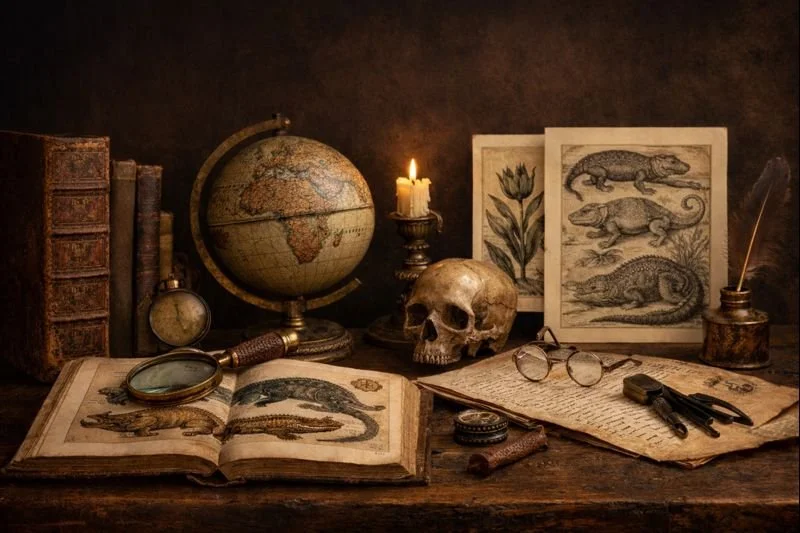
Beginning a collection of antique prints and old books is less about acquiring objects and more about learning how to look. Many people arrive at early works on paper through curiosity. An image catches the eye, a map suggests a forgotten world, or a book hints at a way of thinking that feels distant from modern life. What follows is often uncertainty. Where does one begin. How does one know what matters. How does one approach objects that have already lived long lives.
Collecting antique prints and books is not a matter of taste alone. It is a practice shaped by history, material knowledge, and attention. Understanding this from the beginning makes the experience far more rewarding.
The first thing to know is that early prints and books were not created as art objects in the modern sense. They were tools. Prints illustrated scientific discoveries, cataloged the natural world, mapped unfamiliar terrain, and explained religious or philosophical ideas. Books were working texts, meant to be read, annotated, shared, and sometimes revised over generations. Their value today is inseparable from the roles they once played.
A word about condition…
Because of this, context matters as much as appearance. An engraving of a bird or plant gains meaning when understood within the book it originally accompanied and the intellectual project it supported. A seventeenth century natural history print is not simply an image. It is evidence of how knowledge was gathered, organized, and communicated at a specific moment in time. Learning to ask where an object comes from and why it was made is the foundation of thoughtful collecting.
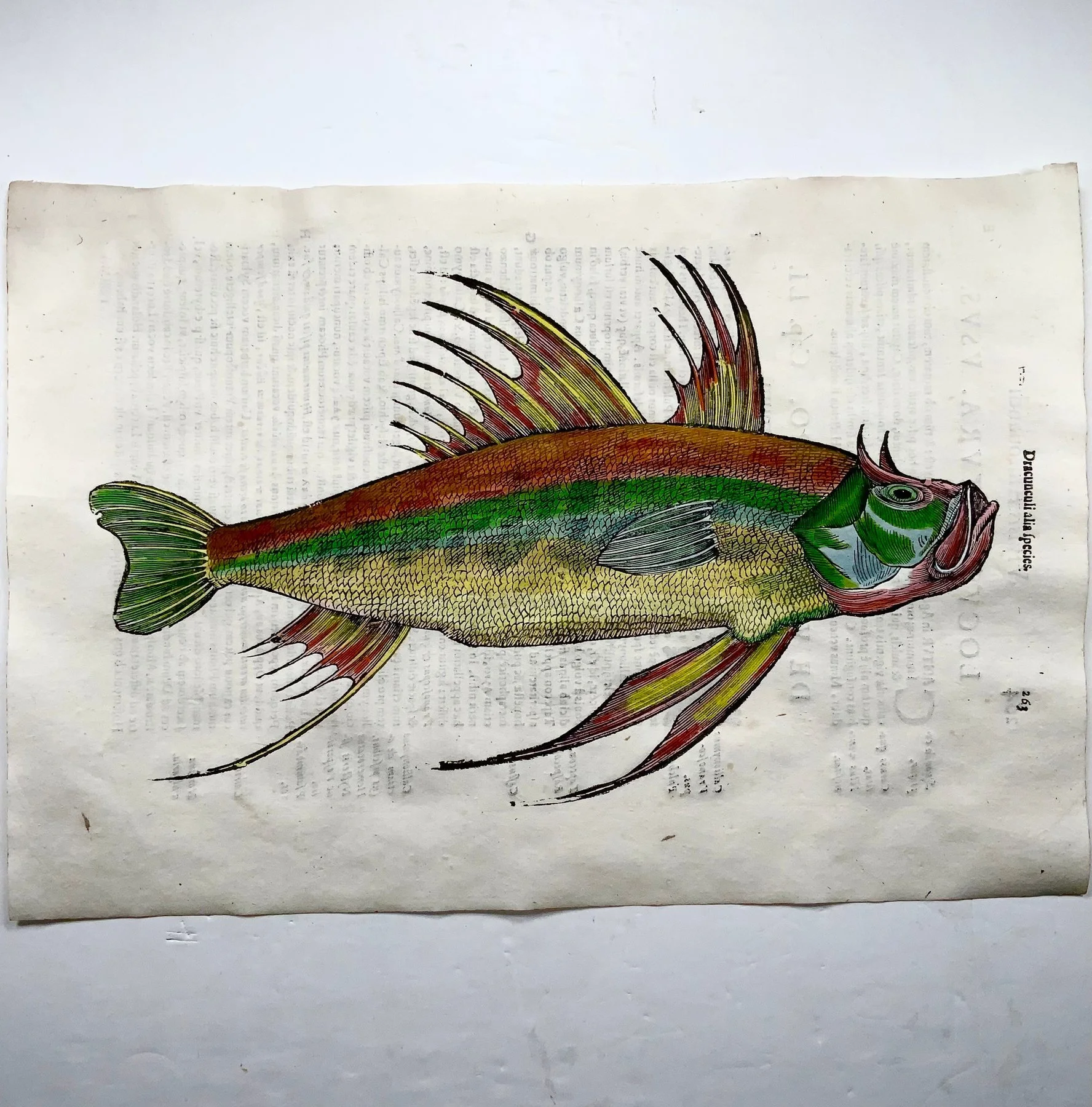
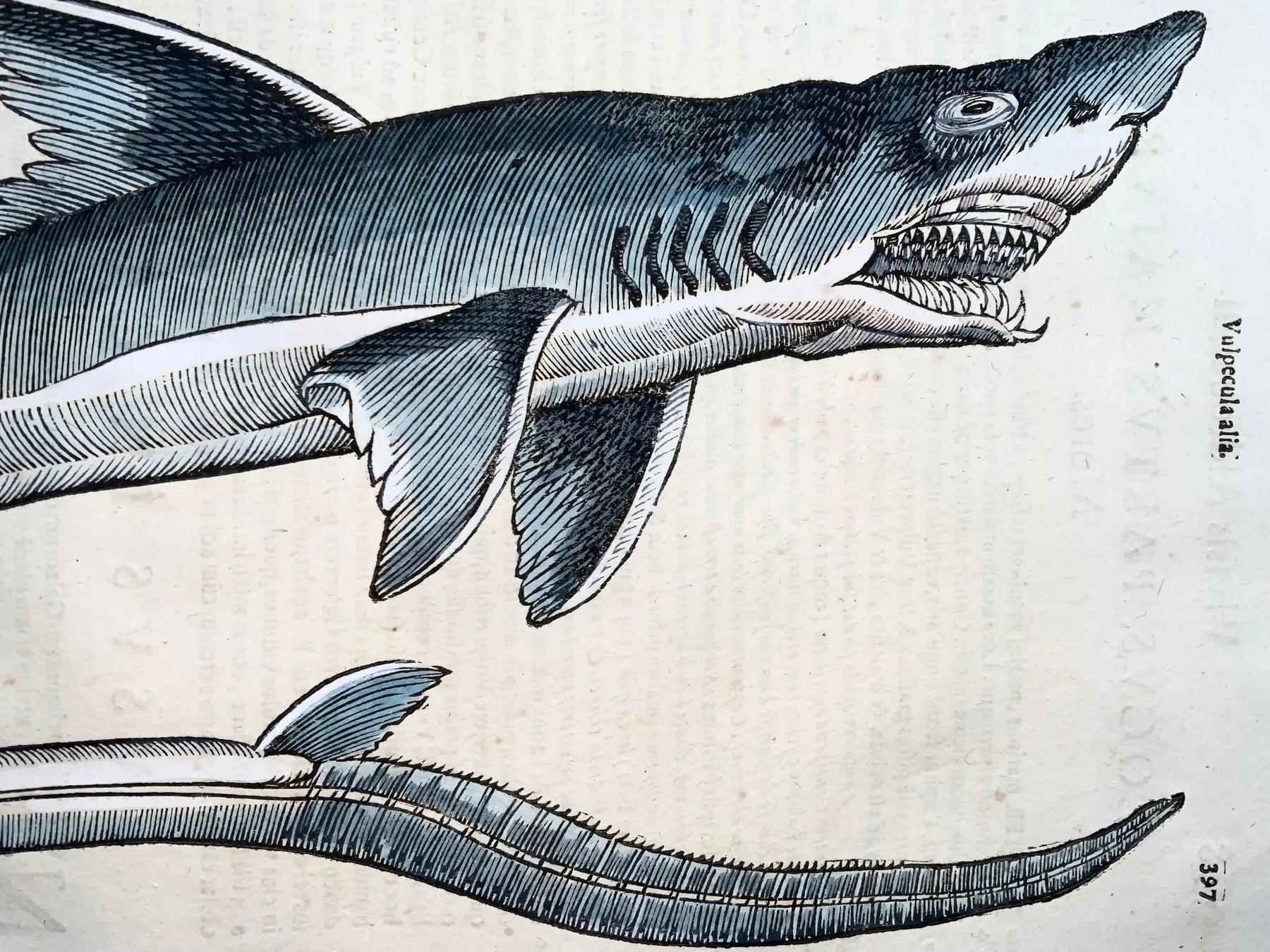
Condition is another essential consideration. Antique books and prints were meant to be handled. They were bound, folded, trimmed, repaired, and sometimes altered to suit new owners. Some signs of age are expected and even desirable. Others significantly affect integrity and long term stability. Understanding paper quality, margins, impressions, bindings, and restoration helps collectors make informed decisions and appreciate what has survived intact.
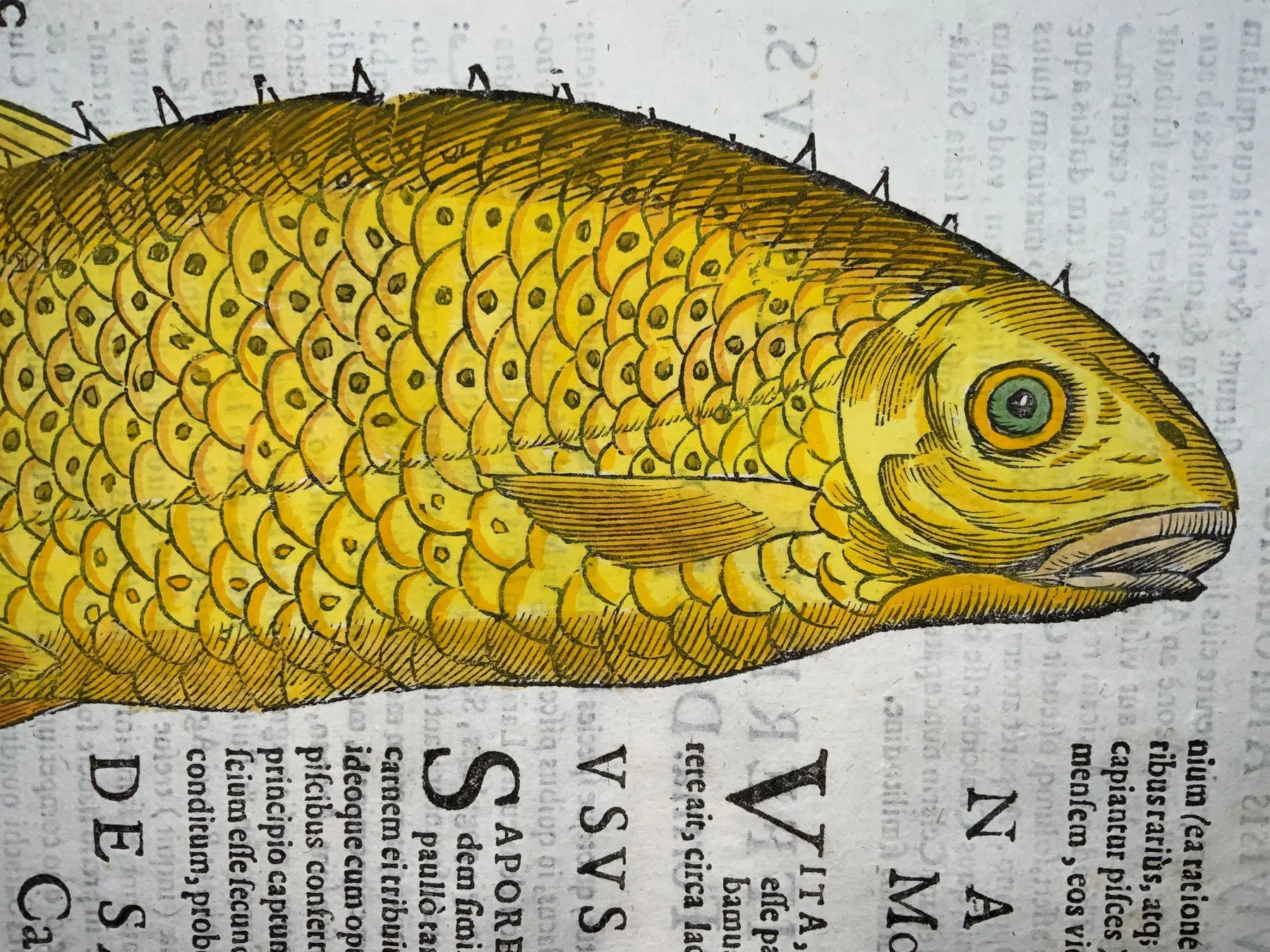
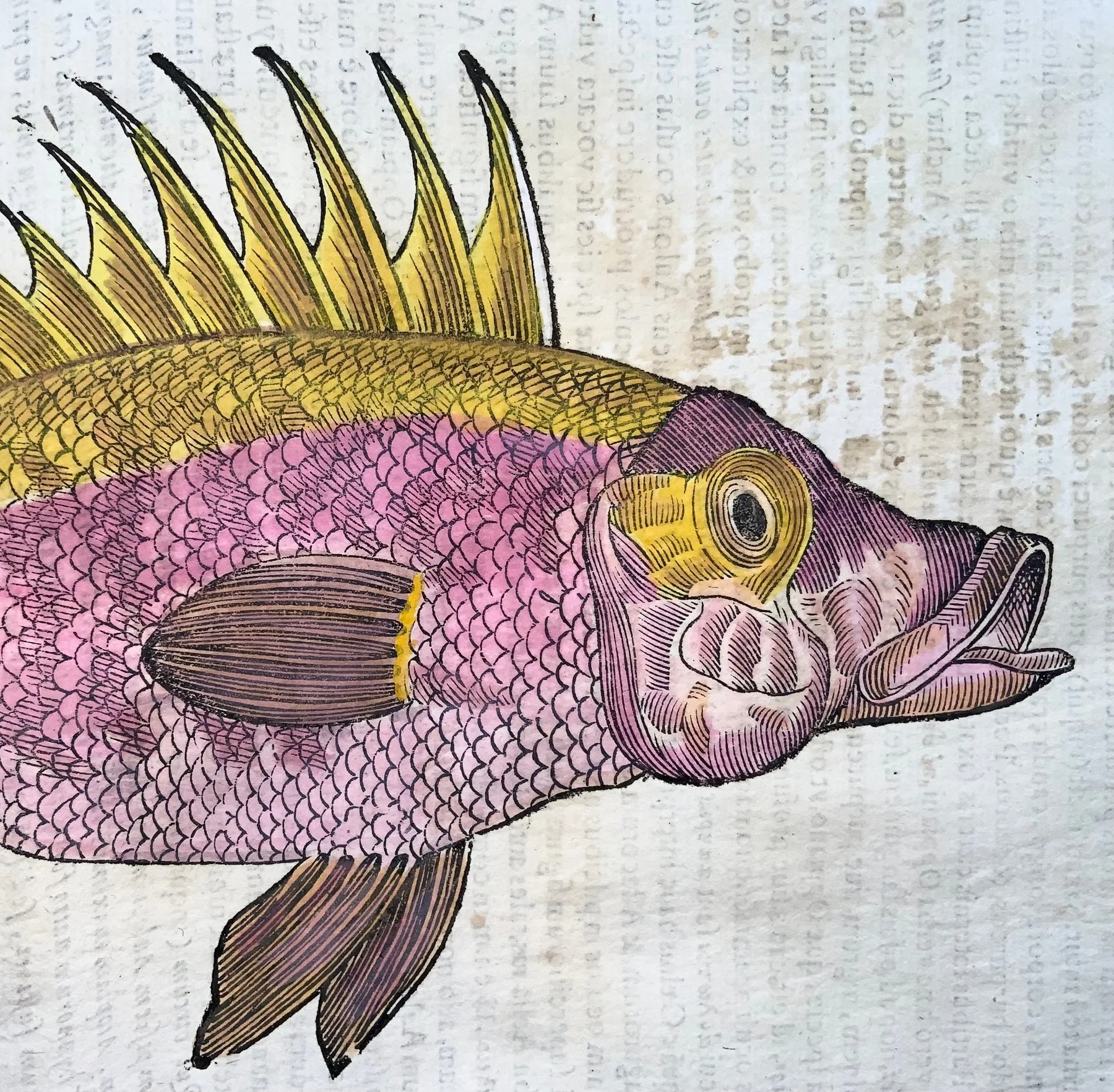
Hand printing and hand coloring add further depth. Early prints were pulled one sheet at a time from engraved plates. Variations in ink, pressure, and paper mean no two impressions are exactly alike. When prints were colored by hand, those differences became even more pronounced. Color was interpretive, dependent on the materials and decisions of individual artisans. This individuality is one of the defining qualities of early works on paper and one of the reasons they resist easy categorization.
Editions & Printers: Do they matter?
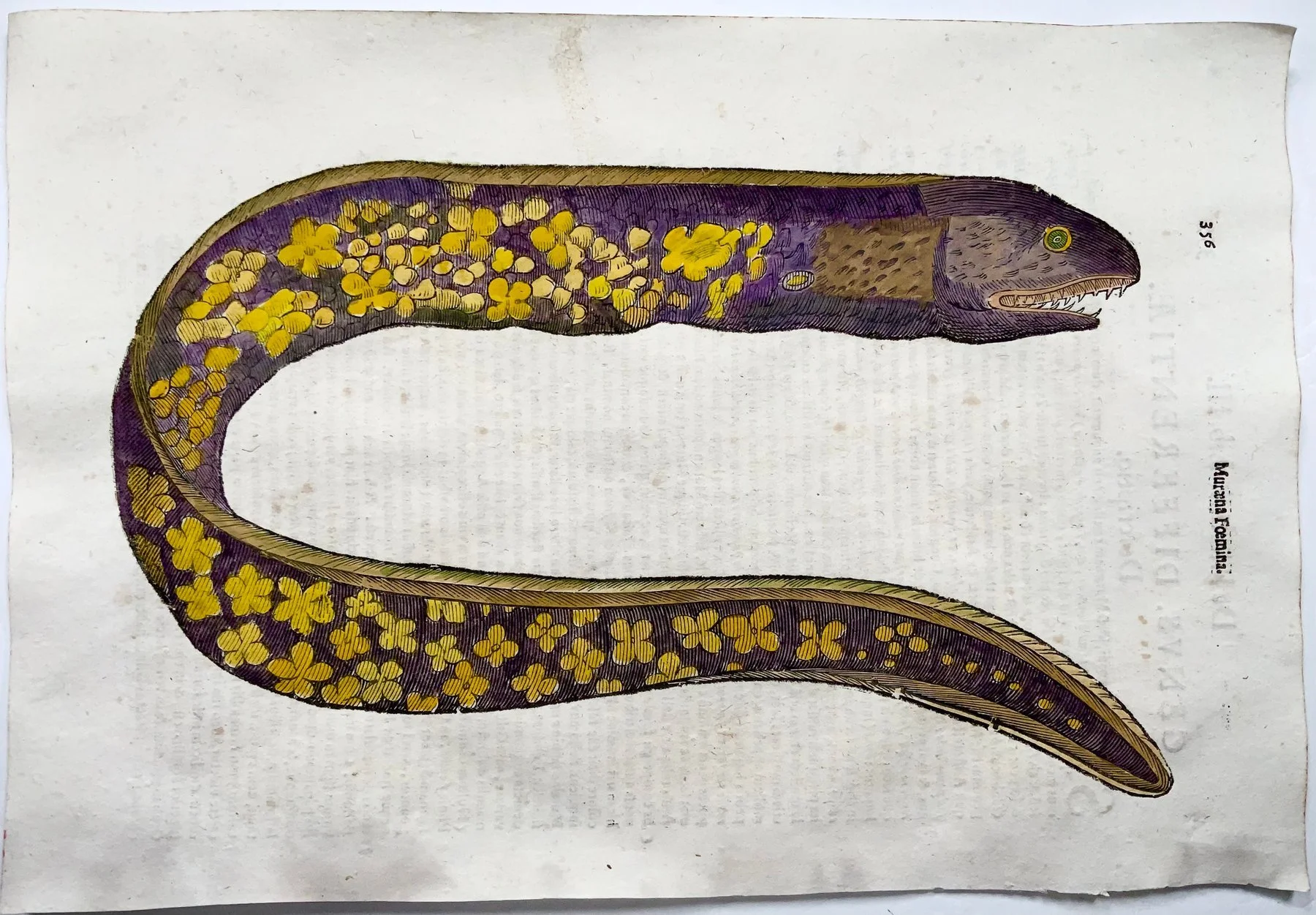
Old books introduce their own considerations. Editions matter. Printers matter. Small changes between printings can signal shifts in knowledge, censorship, or audience. Bindings tell stories of ownership and use. Marginal notes offer glimpses into how readers interacted with texts centuries ago. Learning to see books as physical objects rather than mere containers of text opens an entirely new way of engaging with them.
Language plays a central role in collecting. Much of the historical record exists in Latin, French, Spanish, Italian, and German. Titles, colophons, and catalog descriptions often rely on specialized terminology. Understanding even a little of this language deepens comprehension and reduces uncertainty. It also allows collectors to engage more fully with scholarship and primary sources rather than relying solely on summaries.
Another important aspect of collecting is understanding that this world moves slowly. Early books and prints are not commodities that circulate instantly. They pass through relationships between collectors, dealers, libraries, and institutions. Trust and reputation matter. Serious collecting develops over time through observation, study, and conversation. There is no need to rush. In fact, slowing down is one of the most valuable skills a collector can cultivate.
Focus vs Volume
It is also helpful to think in terms of focus rather than accumulation. Many meaningful collections begin with a narrow interest. Natural history. Cartography. Early science. Religious imagery. A particular region or period. Focus allows knowledge to deepen organically and gives coherence to a collection over time. It also makes each new acquisition part of an ongoing conversation rather than an isolated purchase.
Perhaps most importantly, collecting antique prints and books is an act of stewardship. These objects have already survived centuries of handling, travel, and chance. To collect them is to assume responsibility for their continued survival. Proper care, thoughtful storage, and informed handling ensure that they remain available for study and appreciation in the future.
At Biblio Sonora, we encourage collectors to approach early works on paper with curiosity and patience. Whether acquiring a first print or building a focused library, the goal is not speed or volume, but understanding. The most rewarding collections are shaped gradually, guided by learning and attention rather than impulse.
Collecting antique prints and old books is ultimately about connection. Connection to the hands that made them, the minds that used them, and the long chain of readers and collectors who ensured their survival. For those willing to slow down and learn, it is a practice that continues to reveal new worlds.
What I Do and How I Can Help
I work with collectors, researchers, writers, and institutions who are looking for more than a simple transaction. My work is grounded in scholarship, languages, and access to material that often remains out of sight.
Reading and Research Across Languages
If you are working in French, Spanish, Latin, Italian, or other European languages, I can help you read with confidence and depth. This includes guided reading and interpretation, historical and literary context, and translation that accounts for cultural meaning rather than word for word substitution.
Rare Book and Print Sourcing
I help locate rare books, early prints, and specialized material that rarely appears through standard online marketplaces. This involves identifying the correct editions and states, assessing condition and binding, and helping clients avoid common and costly mistakes in the rare book trade.
Collection Development and Focus
Whether you are starting a library or refining an existing one, I help shape collections with clarity and purpose. This can mean developing a thematic or geographic focus, building around a period or author, or making acquisitions that strengthen a collection intellectually and over time.
Dealer Communication and Negotiation
Many important works are never listed in English. I regularly communicate with international dealers in their native languages to request additional details, clarify bibliographic questions, negotiate terms, and navigate the practical realities of buying across borders.
Bespoke Research
For scholars, writers, and collectors, I also offer focused research services. This can include tracing obscure editions, locating sources tied to a specific historical question, or assembling bibliographies and source lists for long term projects.
A Human Approach to Old Books
At its core, this work is about continuity. It is about keeping knowledge alive by placing it in the right hands. I do not treat books as trophies or commodities alone. I see them as conversations that stretch across centuries.
Whether you are trying to read more deeply in another language, locate a rare volume, or build a collection with real intellectual integrity, I bring a lifetime of study, teaching, and collecting to that process.
Books shape how we think. My work exists to help them continue doing exactly that. Clink on the link below to learn how I can help or continue reading on the blog to learn more!