How Printing Was Done During the Baroque Period: From Copper Plates to Sacred Art
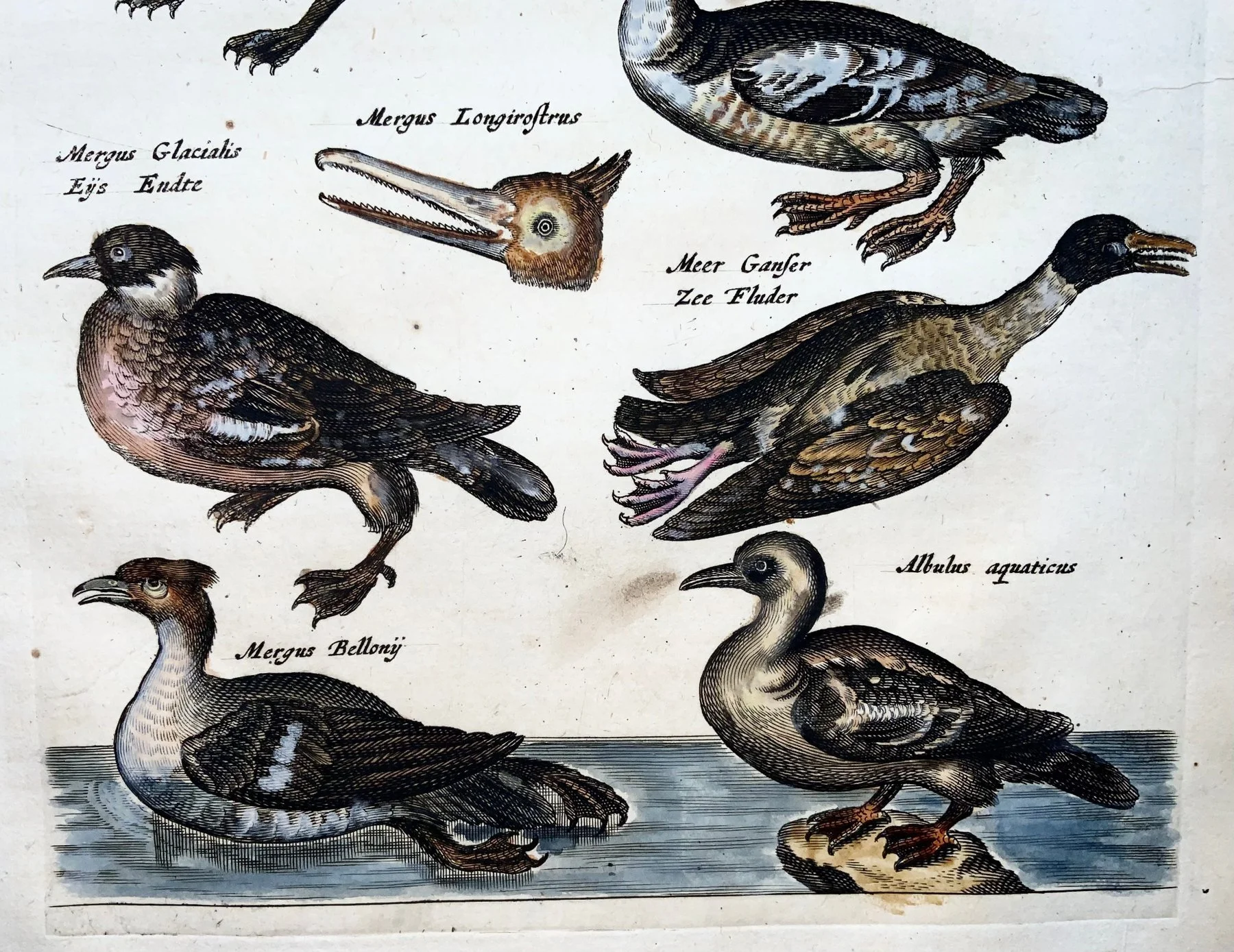
The Baroque period (roughly 1600–1750) was an age of spectacle, devotion, science, and expansion. It was also one of the most important eras in the history of printing. Long before photography, offset presses, or mass reproduction, images were created slowly, physically, and by hand—etched into metal, inked, pressed, and often painted one at a time. Every Baroque print was both a technological achievement and a work of art.
Understanding how prints were made during the Baroque era allows us to appreciate why they remain so powerful today—and why original examples from the period still carry such cultural, historical, and aesthetic weight.
The Rise of Copperplate Engraving in the Baroque Era
By the early 17th century, copperplate engraving had become the dominant printmaking technique across Europe. Unlike medieval woodcuts, which were carved in relief, copper engraving was an intaglio process. Artists incised lines directly into a smooth copper plate using a sharp burin or engraving tool.
These incised grooves held ink. The surface of the plate was wiped clean, leaving pigment only inside the carved lines. Damp paper was then laid over the plate and run through a rolling press under immense pressure. The paper was forced into the grooves, pulling the ink out and creating an image with extraordinary detail and tonal depth.
This method allowed Baroque engravers to achieve dramatic contrasts of light and shadow—chiaroscuro—that perfectly matched the emotional intensity and theatricality of the period.
Etching vs. Engraving: Speed, Skill, and Style
While engraving required immense physical skill and control, etching became increasingly popular during the Baroque period. In etching, the artist coated the copper plate with an acid-resistant ground and drew through it with a needle. The exposed lines were then bitten into the metal using acid.
Etching allowed for freer, more painterly lines and faster production, making it especially attractive for scientific illustration, cartography, and devotional imagery. Many Baroque prints combine engraving and etching, balancing precision with expressiveness.
Regardless of method, each plate was a finite object. As copper wore down, impressions grew softer. Early impressions are therefore prized for their crisp lines and depth.
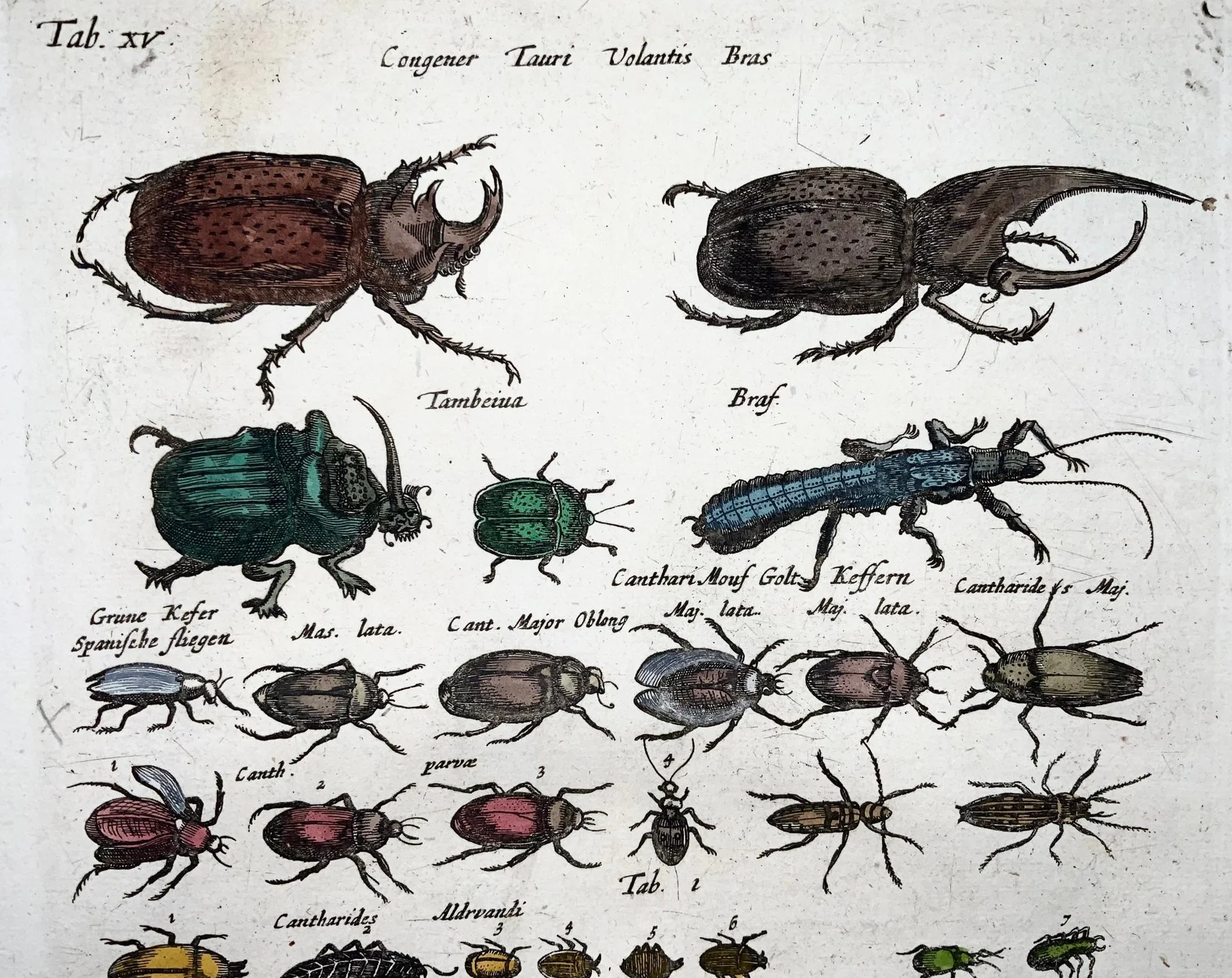
Hand Inking, Presswork, and the Human Touch
Printing in the Baroque period was never automated. Ink was mixed by hand, often from lampblack and oils. Each plate was inked manually, wiped by touch, and printed individually. Variations from print to print were inevitable—and intentional.
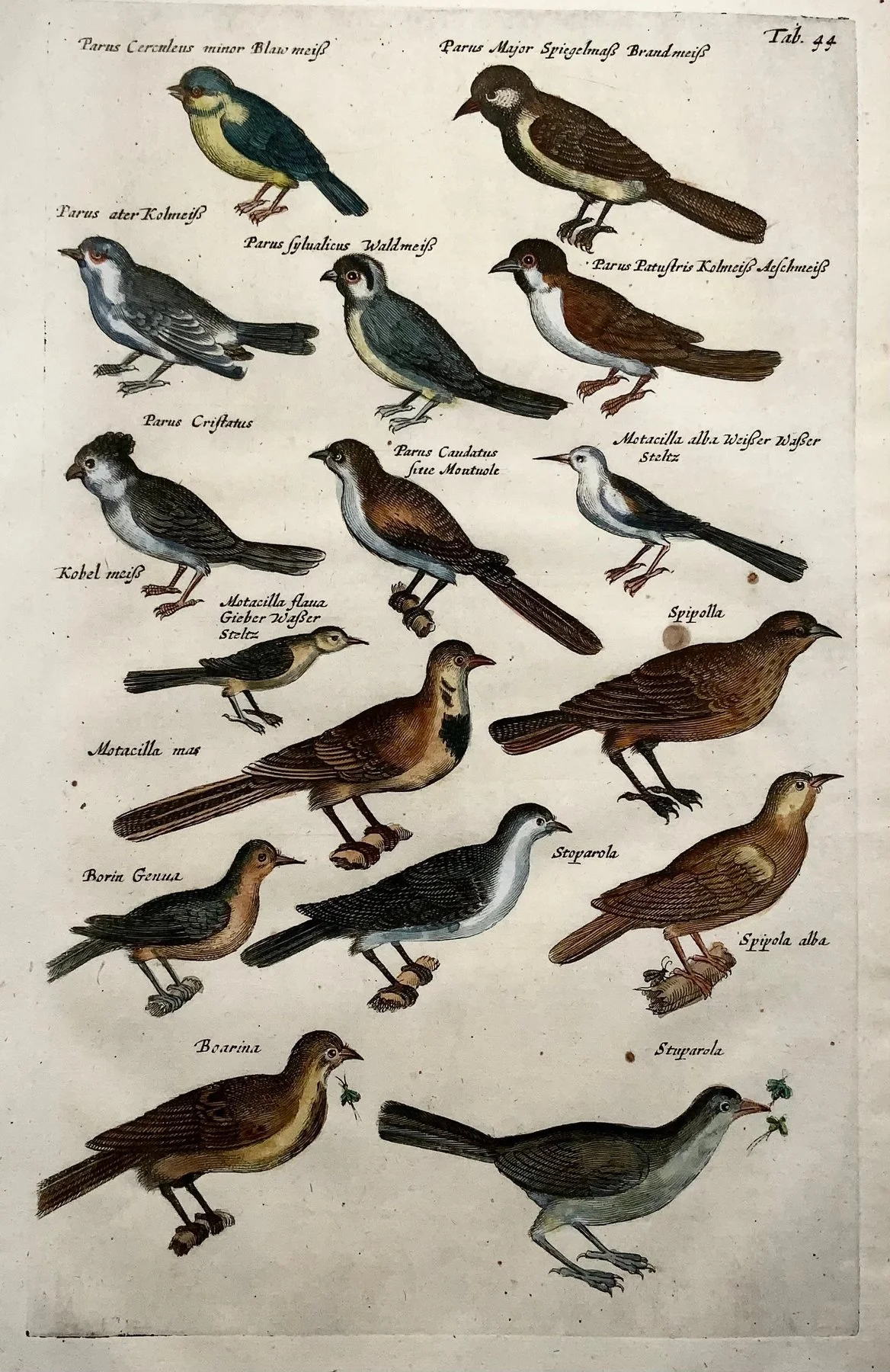
After printing, many Baroque prints were hand-colored using watercolor or gouache. This was especially common for botanical, zoological, cartographic, and religious images. No two hand-colored impressions were ever exactly the same, making each surviving print a unique artifact.
This blend of mechanical reproduction and human intervention is what gives Baroque prints their unmistakable presence.
Prints as Instruments of Faith, Science, and Empire
Baroque prints were not merely decorative. They were tools of persuasion, education, and belief. Churches used prints to spread sacred imagery. Scientists relied on them to record discoveries. Monarchs and empires used them to project power and order.
Jesuit missionaries, in particular, understood the power of the printed image. Engravings traveled where paintings could not—across oceans, deserts, and frontiers—carrying theology, cosmology, and European artistic language into the New World.
Baroque Printing and Southern Arizona’s Sacred Landscape
That legacy is still visible today in Southern Arizona, where Baroque aesthetics took root in an unexpected but profound way. Spanish missionaries brought European visual culture—prints, engravings, and illustrated devotional books—north into the Sonoran Desert. These images directly influenced the architecture and interior decoration of mission churches.
One of the most extraordinary examples is Mission San Xavier del Bac, often called the “White Dove of the Desert.” Its exuberant façade, sculptural interiors, and symbolic program are deeply Baroque in spirit, shaped by engravings and religious prints that traveled thousands of miles before inspiring stone, plaster, and pigment.
To walk through Southern Arizona’s historic churches is to witness Baroque printing translated into architecture—line becoming form, engraving becoming altar, paper becoming permanence.
Owning a Piece of the Baroque Today
Original Baroque prints are not museum relics locked behind glass—they are works meant to be lived with, studied, and admired. When you hold a 17th- or 18th-century engraving, you are touching the same paper that once passed through a hand-cranked press, inked and wiped by an artisan centuries ago.
At BiblioSonora, we specialize in authentic Renaissance and Baroque prints from Europe and Latin America, many of which connect directly to the visual culture that shaped the churches and missions of Southern Arizona. You can see these traditions alive in stone—and you can also bring them home.
Explore, learn, and collect at bibliosonora.com, where the Baroque is not just history—it’s something you can see, study, and own.
